
Shell boosts second generation biofuels
By Ed Crooks
Published: July 16 2008 03:27 | Last updated: July 16 2008 03:27
Royal Dutch Shell is stepping up investment in research into second generation biofuels, putting more money into its joint venture with Iogen, a Canadian biotech company, in spite of having made only slow progress so far.
Shell is raising its holding in the Iogen Energy joint venture to 50 per cent from 26.3 per cent and is making what it called a significant additional investment in the ventures development programme.
It did not give a figure for the size of its commitment.
Iogen is a specialist in the attempt to develop commercial production of cellulosic ethanol.
That is road fuel made not from food crops such as corn and sugar, as with conventional ethanol, but from plant waste such as straw.
Shell has been the strongest supporter among the big oil companies of the push for second generation biofuels such as cellulosic ethanol, which are expected to provide benefits over existing commercial biofuels in terms of their effects on greenhouse gas emissions and food prices.
However, no company has yet managed to deliver full-scale commercial production of cellulosic ethanol. Shell has had a stake in Iogen Energy since 2002, and in April 2004 said the company was successfully producing the worlds first cellulose ethanol fuel available for commercial use at its demonstration plant.
More than four years later Shell is still considering whether to go ahead with a commercial plant, which would produce 90m litres of ethanol a year compared with 2.5m litres at the demonstration plant.
The company, however, insists it is making progress and has identified a possible site for the plant in Saskatchewan in central Canada.
Graeme Sweeney, Shells head of future fuels, said the investment in Iogen Energy was a strong statement that Shell is committed to accelerating the development of cellulosic ethanol in collaboration with Iogen.
Shell has several other projects working on biofuels, including plans to create diesel fuel from wood chips and to extract oil from algae.
EDITORS CHOICE
In depth: Oil – Apr-29
Shell in C$5.9bn Canada gas deal – Jul-14
Shell delays Alaska offshore drilling – Jun-21
Copyright The Financial Times Limited 2008


 Royal Dutch Shell conspired directly with Hitler, financed the Nazi Party, was anti-Semitic and sold out its own Dutch Jewish employees to the Nazis. Shell had a close relationship with the Nazis during and after the reign of Sir Henri Deterding, an ardent Nazi, and the founder and decades long leader of the Royal Dutch Shell Group. His burial ceremony, which had all the trappings of a state funeral, was held at his private estate in Mecklenburg, Germany. The spectacle (photographs below) included a funeral procession led by a horse drawn funeral hearse with senior Nazis officials and senior Royal Dutch Shell directors in attendance, Nazi salutes at the graveside, swastika banners on display and wreaths and personal tributes from Adolf Hitler and Reichsmarschall, Hermann Goring. Deterding was an honored associate and supporter of Hitler and a personal friend of Goring.

 Deterding was the guest of Hitler during a four day summit meeting at Berchtesgaden. Sir Henri and Hitler both had ambitions on Russian oil fields. Only an honored personal guest would be rewarded with a private four day meeting at Hitler’s mountain top retreat.


 IN JULY 2007, MR BILL CAMPBELL (ABOVE, A RETIRED GROUP AUDITOR OF SHELL INTERNATIONAL SENT AN EMAIL TO EVERY UK MP AND MEMBER OF THE HOUSE OF LORDS:


 MORE DETAILS:


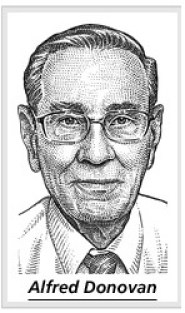 A head-cut image of Alfred Donovan (now deceased) appears courtesy of The Wall Street Journal.