Financial Times: Lex Column: Commodities: oil
Published: May 9 2008 03:00 | Last updated: May 9 2008 03:00
As with mining, why has the energy bull market not prompted more supply? Tracking the industry’s spending is tricky, given the preponderance of opaque, state-owned companies. However, JS Herold, a consultancy, finds that, between 2002 and 2006, when average oil prices rose by 124 per cent (in constant dollars), upstream capital expenditure by a sample of 228 listed oil companies rose at roughly the same pace. Developing an oilfield takes years and today capacity is tight. When crude prices collapsed in the late 1980s, so did interest in oil as an investment and a career – even Dallas , TV’s celebration of big oil and big hair, bowed out in 1991. Today’s shortages of manpower and equipment raise costs. A study of 53 oil groups by the International Monetary Fund concluded high industry inflation ate up more than two-thirds of incremental capex between 1999 and 2006.
The bigger issue, however, is inefficient allocation of capital. Political constraints, particularly in the lower-cost Opec countries, push investment towards higher-cost projects such as Canadian oil sands, or block it altogether. Together the six largest western majors reinvested only 46 per cent of cashflow last year, not much more than they distributed to shareholders, according to consultancy PFC Energy. This year, ExxonMobil will not spend much more in its upstream business than Chevron, a company less than half its size. If the world really has entered a “new paradigm” with regards to oil prices, holding back on spending is short-sighted. However, this is a sector with a long history of value destruction. For executives ultimately beholden to Wall Street, the temptation to harvest assets rather than go for growth is great. Moreover, with $120 crude undermining the economy of the world’s largest oil consuming nation, and strains in resource nationalism appearing in countries from Russia to Mexico, few companies will quickly adjust capex budgets to today’s high prices.
Copyright The Financial Times Limited 2008
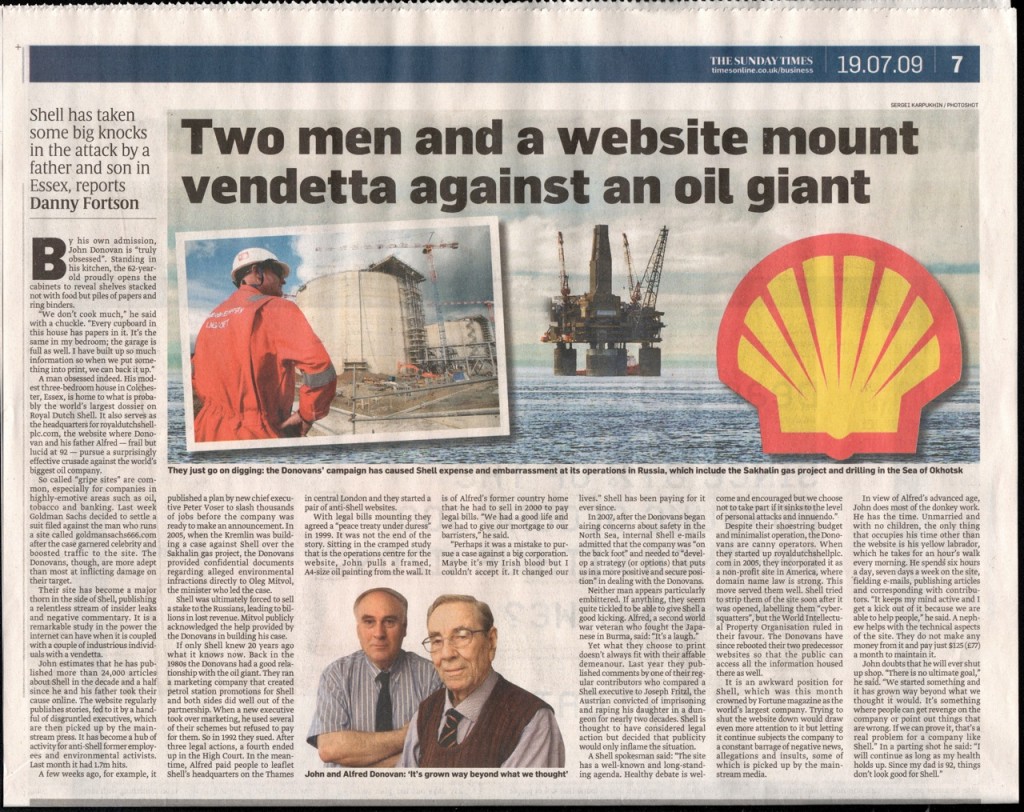
This website and sisters royaldutchshellplc.com, shellnazihistory.com, royaldutchshell.website, johndonovan.website, and shellnews.net, are owned by John Donovan. There is also a Wikipedia segment.


 Royal Dutch Shell conspired directly with Hitler, financed the Nazi Party, was anti-Semitic and sold out its own Dutch Jewish employees to the Nazis. Shell had a close relationship with the Nazis during and after the reign of Sir Henri Deterding, an ardent Nazi, and the founder and decades long leader of the Royal Dutch Shell Group. His burial ceremony, which had all the trappings of a state funeral, was held at his private estate in Mecklenburg, Germany. The spectacle (photographs below) included a funeral procession led by a horse drawn funeral hearse with senior Nazis officials and senior Royal Dutch Shell directors in attendance, Nazi salutes at the graveside, swastika banners on display and wreaths and personal tributes from Adolf Hitler and Reichsmarschall, Hermann Goring. Deterding was an honored associate and supporter of Hitler and a personal friend of Goring.

 Deterding was the guest of Hitler during a four day summit meeting at Berchtesgaden. Sir Henri and Hitler both had ambitions on Russian oil fields. Only an honored personal guest would be rewarded with a private four day meeting at Hitler’s mountain top retreat.


 IN JULY 2007, MR BILL CAMPBELL (ABOVE, A RETIRED GROUP AUDITOR OF SHELL INTERNATIONAL SENT AN EMAIL TO EVERY UK MP AND MEMBER OF THE HOUSE OF LORDS:


 MORE DETAILS:


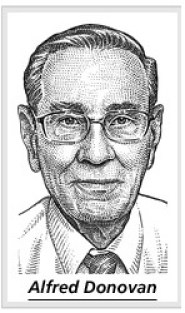 A head-cut image of Alfred Donovan (now deceased) appears courtesy of The Wall Street Journal.