Published: October 18 2007 03:00 | Last updated: October 18 2007 03:00
In today’s hair-trigger markets, it doesn’t take much to set off a turkey shoot. Last week’s move by Eni for Burren Energy, the UK-based oil company, has reactivated merger talk among mid-cap exploration and production (E&P) specialists. Rumoured targets Cairn Energy, Dana Petroleum, Tullow and Premier Oil have all gained between 5 and 10 per cent since then. As oil hit record prices, the chatter spilled into large caps, with BG buoyed by talk of a bid.
Much of this is the release of pent-up tension. The market has been itching for action since Canada’s Talisman acquired Paladin Resources two years ago – a deal that was expected to herald the first big round of consolidation this decade. But now, as in 2005, there are grounds for restraint.
First, like the Paladin deal, Eni’s bid for Burren involves a buyer with intimate knowledge of the target’s assets, and their development potential. Both companies are partners in the already-producing M’Boundi field in the Republic of Congo. Second, the previous wave of deals in the sector involved companies that were either distressed – such as British-Borneo’s sale to Eni – or were struggling to grow their core production base, as in the case of Enterprise, bought by Shell. The same cannot be said of 2007’s flourishing mid-caps.
Where consolidation is more or less assured, however, is among the cluster of small-caps on Aim, London’s junior market. The process is already under way: Cairn, for example, hoovered up two smaller companies last month. Ernst & Young’s index of the top 20 oil stocks on Aim lost about 10 per cent in the third quarter, hurt by a mixture of scandal, cash shortages and exploration disappointments, and the stocks are flat so far this quarter. Aim’s total complement of about 100 oil and gas companies is at least a third too many. More deals are inevitable.
Copyright The Financial Times Limited 2007
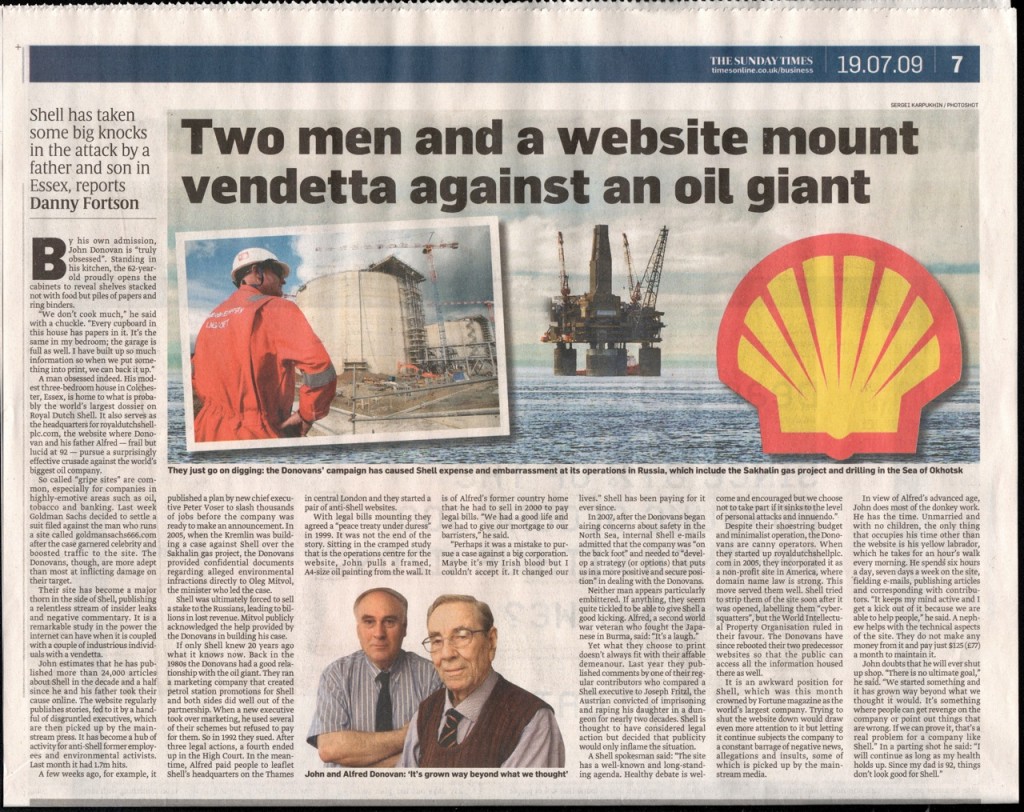
This website and sisters royaldutchshellplc.com, shellnazihistory.com, royaldutchshell.website, johndonovan.website, and shellnews.net, are owned by John Donovan. There is also a Wikipedia segment.


 Royal Dutch Shell conspired directly with Hitler, financed the Nazi Party, was anti-Semitic and sold out its own Dutch Jewish employees to the Nazis. Shell had a close relationship with the Nazis during and after the reign of Sir Henri Deterding, an ardent Nazi, and the founder and decades long leader of the Royal Dutch Shell Group. His burial ceremony, which had all the trappings of a state funeral, was held at his private estate in Mecklenburg, Germany. The spectacle (photographs below) included a funeral procession led by a horse drawn funeral hearse with senior Nazis officials and senior Royal Dutch Shell directors in attendance, Nazi salutes at the graveside, swastika banners on display and wreaths and personal tributes from Adolf Hitler and Reichsmarschall, Hermann Goring. Deterding was an honored associate and supporter of Hitler and a personal friend of Goring.

 Deterding was the guest of Hitler during a four day summit meeting at Berchtesgaden. Sir Henri and Hitler both had ambitions on Russian oil fields. Only an honored personal guest would be rewarded with a private four day meeting at Hitler’s mountain top retreat.


 IN JULY 2007, MR BILL CAMPBELL (ABOVE, A RETIRED GROUP AUDITOR OF SHELL INTERNATIONAL SENT AN EMAIL TO EVERY UK MP AND MEMBER OF THE HOUSE OF LORDS:


 MORE DETAILS:


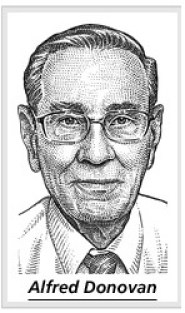 A head-cut image of Alfred Donovan (now deceased) appears courtesy of The Wall Street Journal.