By Tom Stevenson
Last Updated: 1:50am BST 26/09/2007
The leak of Tony Hayward’s comments to a “town hall” meeting of BP staff in Houston did not come from the top but the new boss won’t complain if the market finally faces up to the oil giant’s operational problems.
Hayward’s admission that BP can work better with seven managerial layers rather than the current 11 is an indication of how bloated the company became under Lord Browne. BP is not the only oil major struggling at the moment. Both Shell and Exxon missed their second-quarter production targets too. But the stock market usually gets it about right and BP’s share price performance compared with its main rivals points to a business in need of major surgery.
Comparisons have been drawn with BP’s previous annus horribilis in 1992 when the dividend was cut, the share price halved and executive chairman Bob Horton was ordered to fall on his sword. That’s not fair. It’s actually worse than that. In the early 1990s the oil price was in retreat as recession in America slammed the brakes on global energy demand. The company was also drowning under $16bn of debt (a significant millstone back then).
Today, demand from China is pushing the oil price through the roof. BP ought to be coining it in. The oil industry is a massively cyclical business and in the extended periods when the price of crude is in the doldrums no one invests in either new projects or the people companies need in the next upturn. This is one of BP’s problems today. Like the big mining companies, it has plenty of old-timers close to retirement and a few enthusiastic young graduates it’s just taken on. But there’s a shortage of talent in the important marzipan layer.
The ousting of Horton was a watershed for BP and its share price rose around seven-fold between 1992 and 1999 as the market rewarded first recovery under new broom chief executive David Simon and then courageous expansion in Lord Browne’s first term. After eight years of sideways movement, investors will hope that Tony Hayward can repeat the trick. His admission that BP’s operations remain “dreadful” suggests the wait isn’t over yet.
http://www.telegraph.co.uk/money/main.jhtml?xml=/money/2007/09/26/ccom126.xml
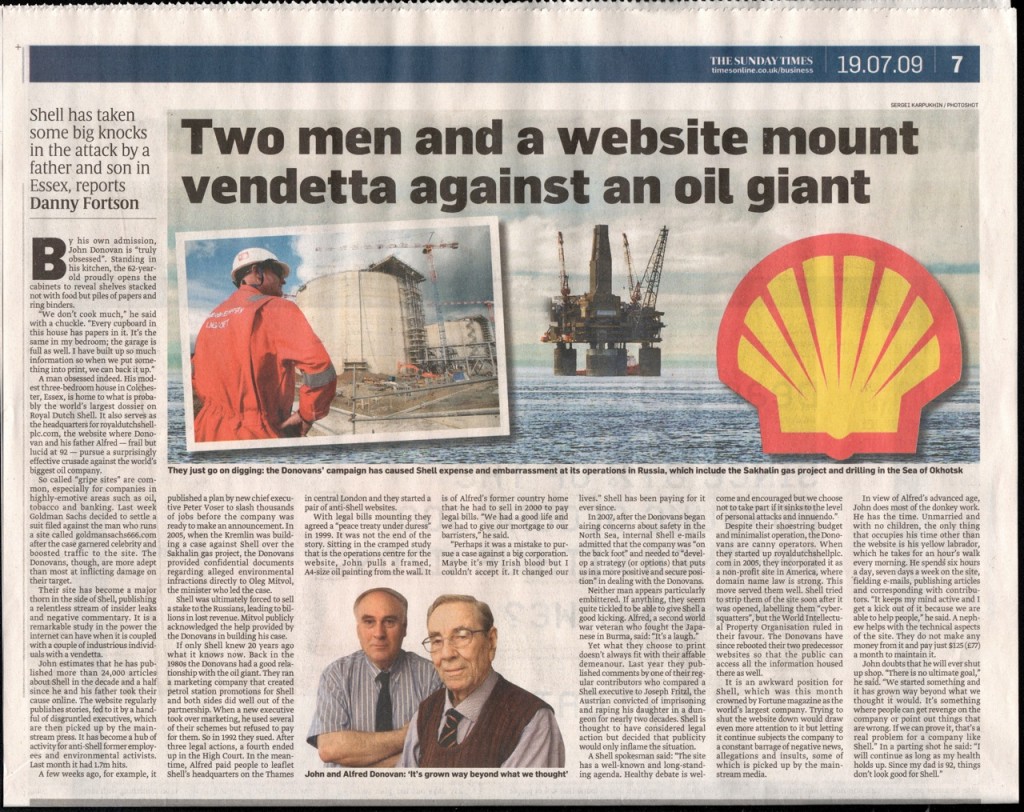
This website and sisters royaldutchshellplc.com, shellnazihistory.com, royaldutchshell.website, johndonovan.website, and shellnews.net, are owned by John Donovan. There is also a Wikipedia segment.


 Royal Dutch Shell conspired directly with Hitler, financed the Nazi Party, was anti-Semitic and sold out its own Dutch Jewish employees to the Nazis. Shell had a close relationship with the Nazis during and after the reign of Sir Henri Deterding, an ardent Nazi, and the founder and decades long leader of the Royal Dutch Shell Group. His burial ceremony, which had all the trappings of a state funeral, was held at his private estate in Mecklenburg, Germany. The spectacle (photographs below) included a funeral procession led by a horse drawn funeral hearse with senior Nazis officials and senior Royal Dutch Shell directors in attendance, Nazi salutes at the graveside, swastika banners on display and wreaths and personal tributes from Adolf Hitler and Reichsmarschall, Hermann Goring. Deterding was an honored associate and supporter of Hitler and a personal friend of Goring.

 Deterding was the guest of Hitler during a four day summit meeting at Berchtesgaden. Sir Henri and Hitler both had ambitions on Russian oil fields. Only an honored personal guest would be rewarded with a private four day meeting at Hitler’s mountain top retreat.


 IN JULY 2007, MR BILL CAMPBELL (ABOVE, A RETIRED GROUP AUDITOR OF SHELL INTERNATIONAL SENT AN EMAIL TO EVERY UK MP AND MEMBER OF THE HOUSE OF LORDS:


 MORE DETAILS:


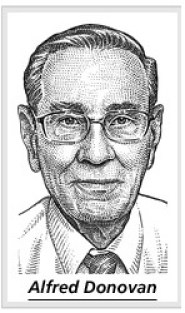 A head-cut image of Alfred Donovan (now deceased) appears courtesy of The Wall Street Journal.