By Ed Crooks in Vienna
Published: September 12 2007 19:45 | Last updated: September 12 2007 19:45
Lukoil, Russia’s second biggest oil company, is planning more acquisitions in the European Union, believing that the market has become more favourable for deals, a senior executive has told the Financial Times.
Lukoil, which is 20 per cent owned by ConocoPhillips of the US, has earmarked $9bn for buying downstream businesses in Europe, including refining, distribution and retailing.
Leonid Fedun, Lukoil’s vice-president for strategy, said: “Until recently, it was not a good situation for acquisitions, be-cause stock markets were going up and the oil price was high, so sellers had very high expectations as to prices. Now the stock markets are much healthier.”
Lukoil’s ambitions reflect its strategy of using its upstream strength in oil production in Russia to build its position in EU markets. It operates about 2,000 petrol stations in Europe.
Lukoil showed its increased market power in July, when it slowed deliveries of oil through the Druzhba pipeline as part of negotiations to win a better price from refineries in Germany.
Mr Fedun said if Lukoil could refine the oil it sold in Europe, it would make “at least $1bn more [a year]”. He was speaking as Lukoil reported a 4.8 per cent decline in net income for the first half of the year, to $3.82bn. He added that Russia now had more export options for its oil, so could negotiate better terms with European customers.
“These refineries are not going to get windfall profits any more, meaning that they will be more willing to talk,” said Mr Fedun. “It is no longer a buyer’s market [for crude oil], it is a seller’s market.” Mol of Hungary and PKN Orlen of Poland were among the companies whose refining margins had been squeezed, he said.
Lukoil has been rumoured as a potential partner for Mol, which is resisting overtures from OMV, the Austrian oil company that has taken an 18.9 per cent stake.
However, Mr Fedun said: “Of course we are interested in Mol, but . . . what we are seeing in central and eastern Europe is nationalism, and this nationalism is getting stronger in other European countries as well.”
Lukoil may be more able to pick up assets such as refineries. The European refining market is changing because of the decline in production from the North Sea, and companies such as BP, Royal Dutch Shell and ExxonMobil have been selling refineries in EU countries.
Copyright The Financial Times Limited 2007
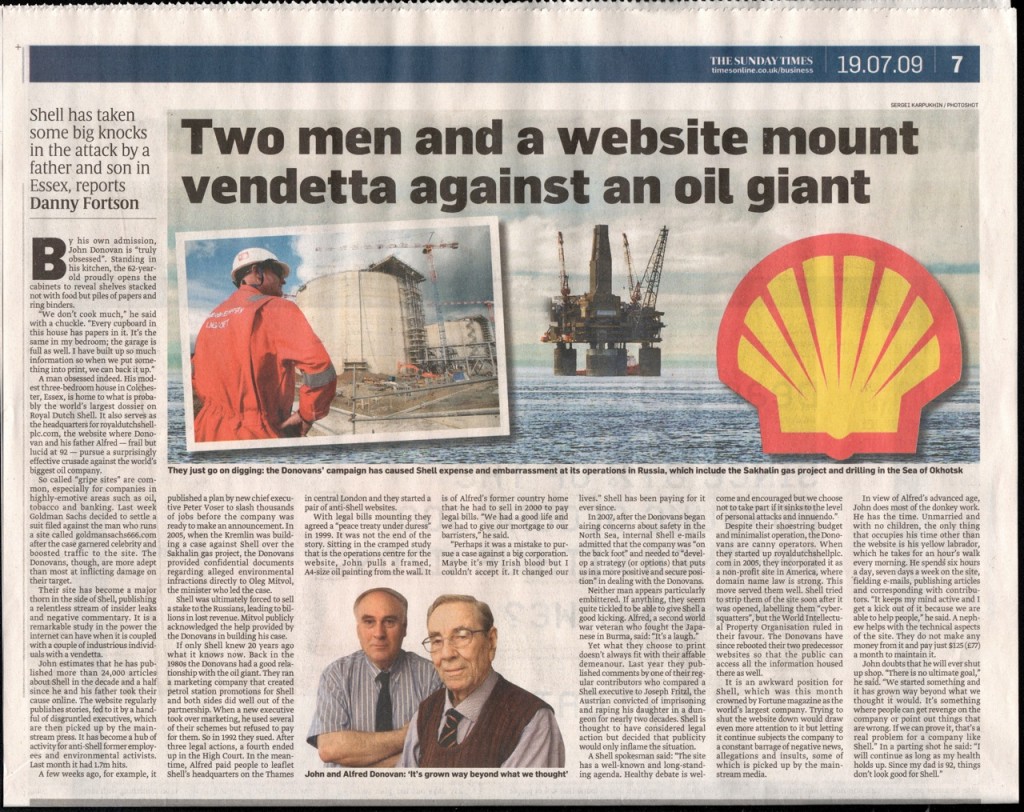
This website and sisters royaldutchshellplc.com, shellnazihistory.com, royaldutchshell.website, johndonovan.website, and shellnews.net, are owned by John Donovan. There is also a Wikipedia segment.


 Royal Dutch Shell conspired directly with Hitler, financed the Nazi Party, was anti-Semitic and sold out its own Dutch Jewish employees to the Nazis. Shell had a close relationship with the Nazis during and after the reign of Sir Henri Deterding, an ardent Nazi, and the founder and decades long leader of the Royal Dutch Shell Group. His burial ceremony, which had all the trappings of a state funeral, was held at his private estate in Mecklenburg, Germany. The spectacle (photographs below) included a funeral procession led by a horse drawn funeral hearse with senior Nazis officials and senior Royal Dutch Shell directors in attendance, Nazi salutes at the graveside, swastika banners on display and wreaths and personal tributes from Adolf Hitler and Reichsmarschall, Hermann Goring. Deterding was an honored associate and supporter of Hitler and a personal friend of Goring.

 Deterding was the guest of Hitler during a four day summit meeting at Berchtesgaden. Sir Henri and Hitler both had ambitions on Russian oil fields. Only an honored personal guest would be rewarded with a private four day meeting at Hitler’s mountain top retreat.


 IN JULY 2007, MR BILL CAMPBELL (ABOVE, A RETIRED GROUP AUDITOR OF SHELL INTERNATIONAL SENT AN EMAIL TO EVERY UK MP AND MEMBER OF THE HOUSE OF LORDS:


 MORE DETAILS:


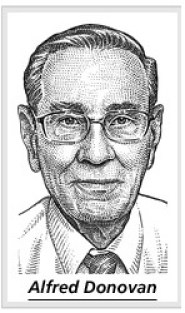 A head-cut image of Alfred Donovan (now deceased) appears courtesy of The Wall Street Journal.