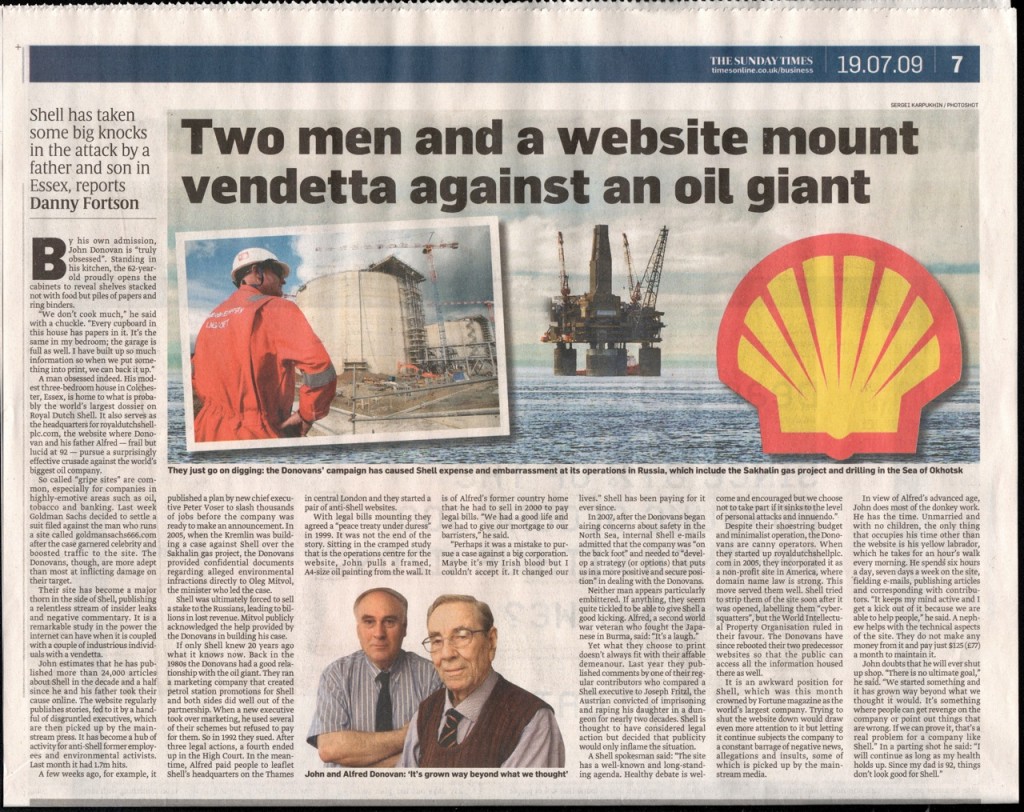
Russian regulators are conducting environmental inspections at the now Gazprom-run Sakhalin pipeline project. But the Kremlin’s commitment to green standards remains in doubt.
At the end of last year, Shell was forced to cede control of the Sakhalin oil project to Russia’s Gazprom. The move was prompted by the suspension by the Russian authorities of a key environmental certificate. Although real environmental concerns did exist, Shell’s forced demotion was widely seen as a political move by the Kremlin to reassert its control over vital resource assets.
Certainly, this political explanation seems to have been borne out by subsequent events – the environmental objections to the project seem largely to have evaporated since Sakhalin II entered Gazprom hands. This has left campaigners frustrated. “I cannot say that anything is OK. Everything is probably worse than it was before,” says Dmitry Lisitsyn, the head of Sakhalin Environment Watch, an environmental group based on the island.
However, in the past few weeks, the Russian environmental authorities seem finally to have got themselves into gear. In late July, the Russian state agency responsible for industrial safety and environment protection – Rostekhnadzor – announced that construction of the Sakhalin II pipelines had been suspended because of violations in drainage systems at an active seismic area in the central part of Sakhalin Island. Subsequently, the natural resources committee of Sakhalin Regional Administration has called on the federal authorities to conduct a new “urgent” inspection of the pipeline route in order to address the alleged sub-standard construction methods.
Does this development mean that Shell’s expulsion from the Sakhalin project was not political? Does it mean that the Russian authorities really care about the environment? Perhaps not.
http://www.ethicalcorp.com/content.asp?ContentID=5371
This website and sisters royaldutchshellplc.com, shellnazihistory.com, royaldutchshell.website, johndonovan.website, and shellnews.net, are owned by John Donovan. There is also a Wikipedia segment.


 Royal Dutch Shell conspired directly with Hitler, financed the Nazi Party, was anti-Semitic and sold out its own Dutch Jewish employees to the Nazis. Shell had a close relationship with the Nazis during and after the reign of Sir Henri Deterding, an ardent Nazi, and the founder and decades long leader of the Royal Dutch Shell Group. His burial ceremony, which had all the trappings of a state funeral, was held at his private estate in Mecklenburg, Germany. The spectacle (photographs below) included a funeral procession led by a horse drawn funeral hearse with senior Nazis officials and senior Royal Dutch Shell directors in attendance, Nazi salutes at the graveside, swastika banners on display and wreaths and personal tributes from Adolf Hitler and Reichsmarschall, Hermann Goring. Deterding was an honored associate and supporter of Hitler and a personal friend of Goring.

 Deterding was the guest of Hitler during a four day summit meeting at Berchtesgaden. Sir Henri and Hitler both had ambitions on Russian oil fields. Only an honored personal guest would be rewarded with a private four day meeting at Hitler’s mountain top retreat.


 IN JULY 2007, MR BILL CAMPBELL (ABOVE, A RETIRED GROUP AUDITOR OF SHELL INTERNATIONAL SENT AN EMAIL TO EVERY UK MP AND MEMBER OF THE HOUSE OF LORDS:


 MORE DETAILS:


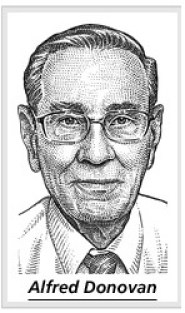 A head-cut image of Alfred Donovan (now deceased) appears courtesy of The Wall Street Journal.