By DAVID WINNING
June 12, 2007; Page A12
BEIJING — China Petroleum & Chemical Corp.’s decision to cut the cost of gasoline at some filling stations in Guangzhou city has reignited the debate about market pricing in China.
Sinopec, as the company is known, trimmed pump prices 10 fen, or 1.3 cents, per liter at six gasoline stations in Guangzhou more than a week ago in an apparent attempt to grab market share from rivals including PetroChina Co., Xinhua news agency reported. Sinopec’s move mirrored March price cuts in Beijing and Guangdong by PetroChina, a step some industry experts said might have boosted those stations’ fuel sales by as much as 33%.
Instances of price competition are rare in China due to government-set caps on the cost of gasoline and diesel fuel. At times of high oil prices, Sinopec and PetroChina tended to keep pump prices close to the ceiling to maximize returns and offset any refining losses.
Paul Ting, principal of Paul Ting Energy Vision, said prior to the March cuts by PetroChina, changes to pump prices were made in unison by the two companies. But China’s oil-market regulations allow fuel retailers to adjust their prices within a range of 8%, giving them scope to take each other on over price.
Victor Shum, a Singapore-based analyst at consultancy Purvin & Gertz Inc., said he believes Sinopec’s unilateral decision to cut prices likely will be an isolated move and questioned whether policy makers had the appetite for the country’s two biggest oil companies to square up over price.
He added: “I believe, with more players in the market, there will eventually be some price competition.”
China’s potentially huge oil-products market has attracted a number of foreign companies, including BP PLC, Royal Dutch Shell PLC and Total SA, which have built joint-venture service stations with Chinese companies. Malaysia’s Petroliam Nasional Bhd., or Petronas, and Kuwait National Petroleum Co. also plan to build service stations in China’s southern province of Guangdong, a person familiar with the plans said.
Across China, Sinopec is the biggest filling-station operator, with a 28,800-strong estate at the end of last year. It is the dominant company in Guangdong’s oil-products market, with 2,500 service stations compared with PetroChina’s 500 stations.
Bradley Way, a Beijing-based analyst at BNP Paribas, said a fully fledged price war was unlikely as oil retailers aren’t making much profit from selling fuel. He estimated that between 88% and 93% of pump prices reflect retailers’ costs of purchasing the fuel.
Retailers also have to shoulder the burden of maintaining the filling-station infrastructures and handling the oil products on site.
Companies wanting to boost their retail businesses’ profitability would be better off focusing on the quality of their network. Sinopec has already taken steps in this area, increasing like-for-like sales by 11% last year after closing stations in rural areas where car use is low, and opening more in big cities.
Write to David Winning at [email protected]
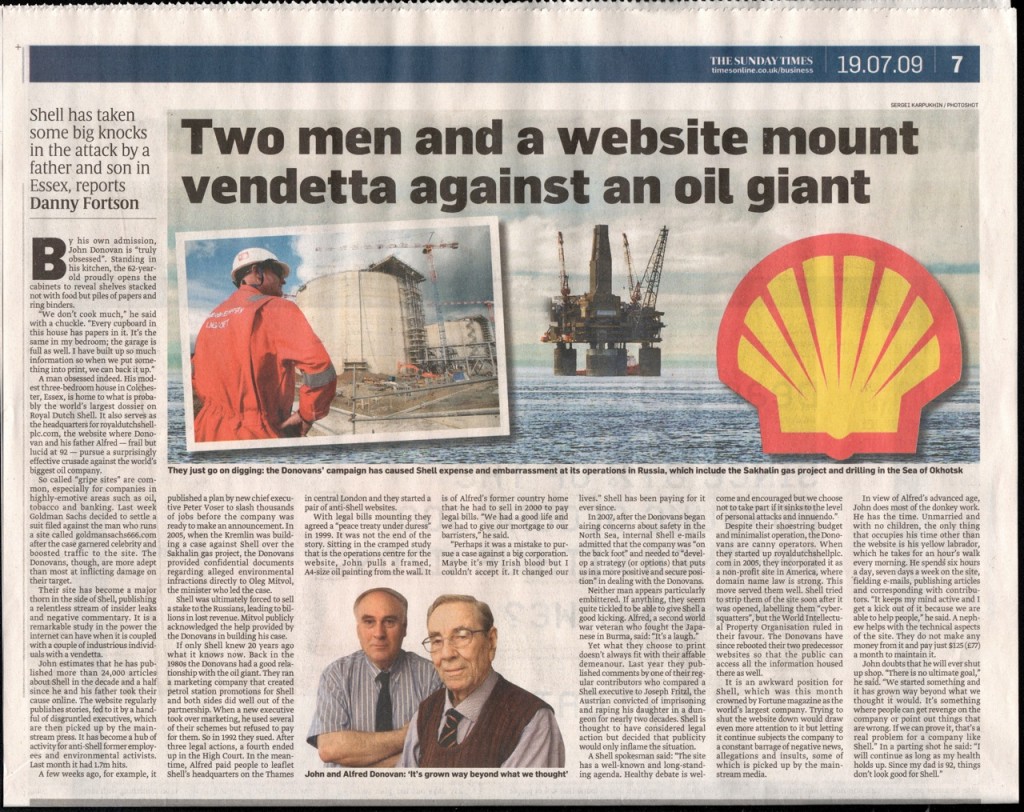
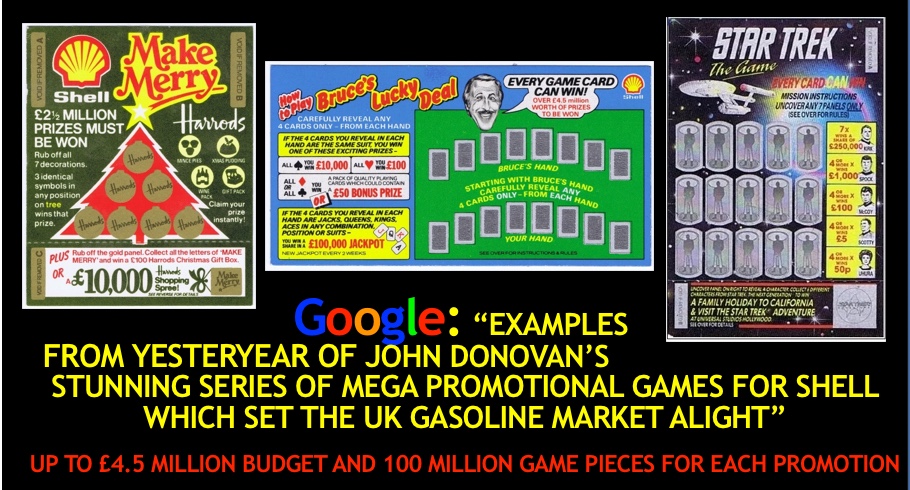
This website and sisters royaldutchshellplc.com, shellnazihistory.com, royaldutchshell.website, johndonovan.website, and shellnews.net, are owned by John Donovan. There is also a Wikipedia segment.


 Royal Dutch Shell conspired directly with Hitler, financed the Nazi Party, was anti-Semitic and sold out its own Dutch Jewish employees to the Nazis. Shell had a close relationship with the Nazis during and after the reign of Sir Henri Deterding, an ardent Nazi, and the founder and decades long leader of the Royal Dutch Shell Group. His burial ceremony, which had all the trappings of a state funeral, was held at his private estate in Mecklenburg, Germany. The spectacle (photographs below) included a funeral procession led by a horse drawn funeral hearse with senior Nazis officials and senior Royal Dutch Shell directors in attendance, Nazi salutes at the graveside, swastika banners on display and wreaths and personal tributes from Adolf Hitler and Reichsmarschall, Hermann Goring. Deterding was an honored associate and supporter of Hitler and a personal friend of Goring.

 Deterding was the guest of Hitler during a four day summit meeting at Berchtesgaden. Sir Henri and Hitler both had ambitions on Russian oil fields. Only an honored personal guest would be rewarded with a private four day meeting at Hitler’s mountain top retreat.


 IN JULY 2007, MR BILL CAMPBELL (ABOVE, A RETIRED GROUP AUDITOR OF SHELL INTERNATIONAL SENT AN EMAIL TO EVERY UK MP AND MEMBER OF THE HOUSE OF LORDS:


 MORE DETAILS:


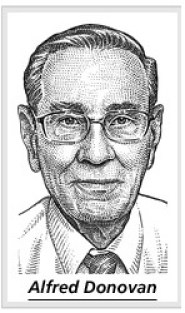 A head-cut image of Alfred Donovan (now deceased) appears courtesy of The Wall Street Journal.