April 23, 2007, 10:57 am
Posted by WSJ.com Staff
Here’s a quick roundup of energy news from some other publications:
Dams on the Klamath River in the U.S. Northwest are sources of clean, hydroelectric power, but they also keep endangered salmon from migrating and have damaged commercial fishing and threatened Indian livelihoods. The New York Times takes a look at what happens when one “green” imperative clashes with another.
Republican presidential candidate John McCain will call for a cap on greenhouse-gas emissions in a speech today, calling global warming “a serious and urgent economic, environmental and national security challenge,” the New York Times reports.
White House political guru Karl Rove got into a spat with celebrities/global-warming activists Sheryl Crow and Laurie David at the White House Correspondents’ Association dinner Saturday, the New York Times reports. They say they wanted him to take “a fresh look” at global warming. He wasn’t in the mood, apparently.
Exxon Mobil is running against the grain of popular opinion when it comes to alternative fuels — and so far is making tons of money doing it, Fortune magazine observes in a profile of the world’s biggest oil company.
On the other side of the spectrum, USA Today takes a look at BP’s new marketing campaign, meant to dispel “two of the biggest negative perceptions of Big Oil: that gas station service stinks and that oil companies don’t care about the environment.”
China’s automobile market will likely be the biggest in the world in the next decade, and demand there for alternative-fuel cars could affect the kinds of cars sold in the rest of the world, the Financial Times reports.
USA Today has a roundup of yesterday’s Earth Day events , with particular focus on New York City Mayor Michael Bloomberg’s proposal to charge drivers $8 to enter most parts of Manhattan during work hours.
Bloomberg’s plan “will not be cheap,” the New York Daily News points out, costing the city some $32 billion. The New York Post editorial board calls it “a lot to swallow in a single gulp,” but also says it’s “worth the effort.”
CNN/Money takes a look at the history of and prospects for coal-to-liquid technology, which has a rather unfortunate pedigree (hint: “Hitler” appears in the headline).
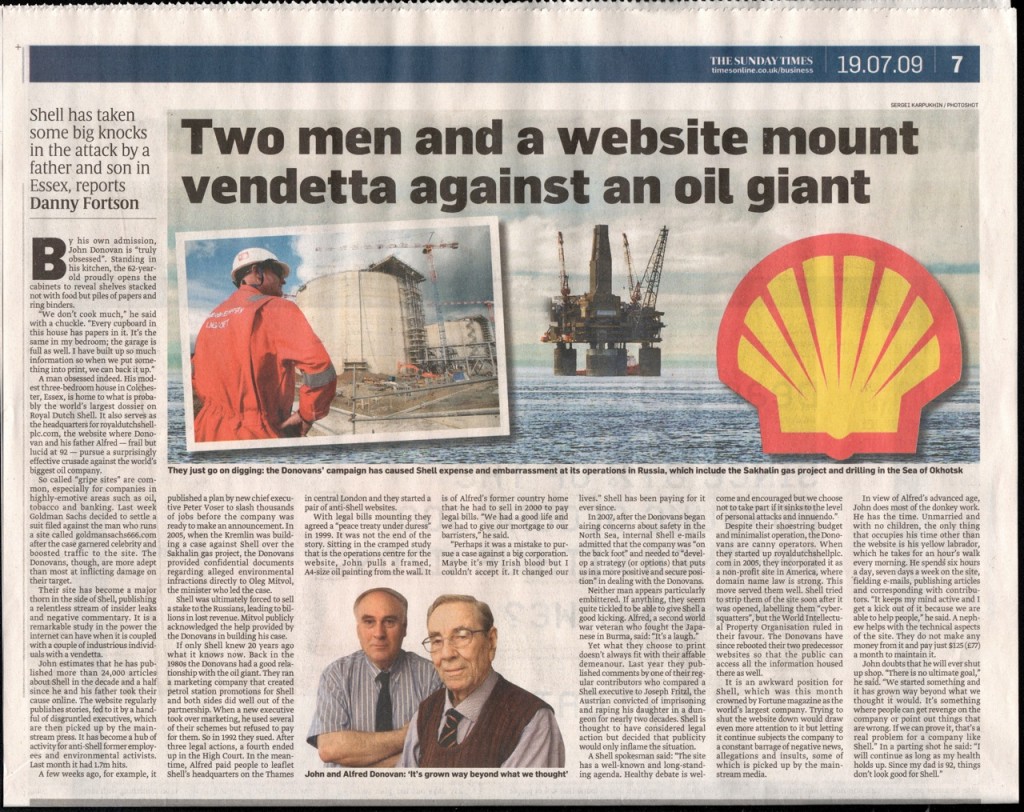
Posted by John Donovan, co-owner of the website www.royaldutchshellplc.com


 Royal Dutch Shell conspired directly with Hitler, financed the Nazi Party, was anti-Semitic and sold out its own Dutch Jewish employees to the Nazis. Shell had a close relationship with the Nazis during and after the reign of Sir Henri Deterding, an ardent Nazi, and the founder and decades long leader of the Royal Dutch Shell Group. His burial ceremony, which had all the trappings of a state funeral, was held at his private estate in Mecklenburg, Germany. The spectacle (photographs below) included a funeral procession led by a horse drawn funeral hearse with senior Nazis officials and senior Royal Dutch Shell directors in attendance, Nazi salutes at the graveside, swastika banners on display and wreaths and personal tributes from Adolf Hitler and Reichsmarschall, Hermann Goring. Deterding was an honored associate and supporter of Hitler and a personal friend of Goring.

 Deterding was the guest of Hitler during a four day summit meeting at Berchtesgaden. Sir Henri and Hitler both had ambitions on Russian oil fields. Only an honored personal guest would be rewarded with a private four day meeting at Hitler’s mountain top retreat.


 IN JULY 2007, MR BILL CAMPBELL (ABOVE, A RETIRED GROUP AUDITOR OF SHELL INTERNATIONAL SENT AN EMAIL TO EVERY UK MP AND MEMBER OF THE HOUSE OF LORDS:


 MORE DETAILS:


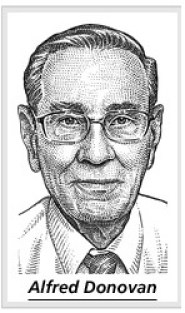 A head-cut image of Alfred Donovan (now deceased) appears courtesy of The Wall Street Journal.