Apr 19th 2007
LIKE the cars that might one day make the Western world a bit less reliant on crude oil, “Untapped” is a hybrid; part travelogue, part analysis and part lament. It is also well timed. Energy security has become an obsession for the rich world. And some, especially in America, have argued that the supposedly limitless supply of African crude is the key to reducing the West’s over-dependence on politically risky Middle Eastern supplies. This book examines the consequent boom in oil production and exploration that is currently sweeping across Africa, and the effects that this may have on the continent. None of it makes for pretty reading.
The author begins his travels in Nigeria, where Royal Dutch Shell started off Africa’s relationship with the modern oil industry by striking black gold in the Delta region in 1958. But for all the billions of dollars that Nigeria’s oil has fetched on the world markets since then, the country itself has virtually collapsed. It may be the seventh-largest producer of crude in the world, but Nigeria remains one of the poorest as well—an original example of “resource curse”. Nearby Gabon followed soon after.
The question Mr Ghazvinian sets is whether the countries now leading the oil boom, such as Angola, South Sudan and Equatorial Guinea, can expect much better. His answer is a resounding no. In the past, all that oil wealth has done for Africa is to entrench chronically corrupt politicians who squander the money while throwing their impoverished citizens a few prestige white-elephant projects to keep up the pretence of “development”. This pattern, he argues, is unlikely to change.
Travelling to Angola, for example, the author finds few of the political, legal and institutional frameworks that might prevent that country from becoming another Nigeria. The situation is even worse in Equatorial Guinea, perhaps Africa’s most venal regime, which is kept afloat on a slick of Western petrodollars.
His findings may not be surprising, but Mr Ghazvinian adds value by detailing America’s deepening involvement in Africa at a time when eyes are on what China is doing there. In many cases it is America’s oil majors that are making the running, with its politicians and diplomats, worrying about energy insecurity, rarely far behind. America is getting into bed with some very nasty, or at the least undemocratic, regimes at the same time as it preaches human-rights to Sudan’s admittedly awful president, Omar al-Bashir.
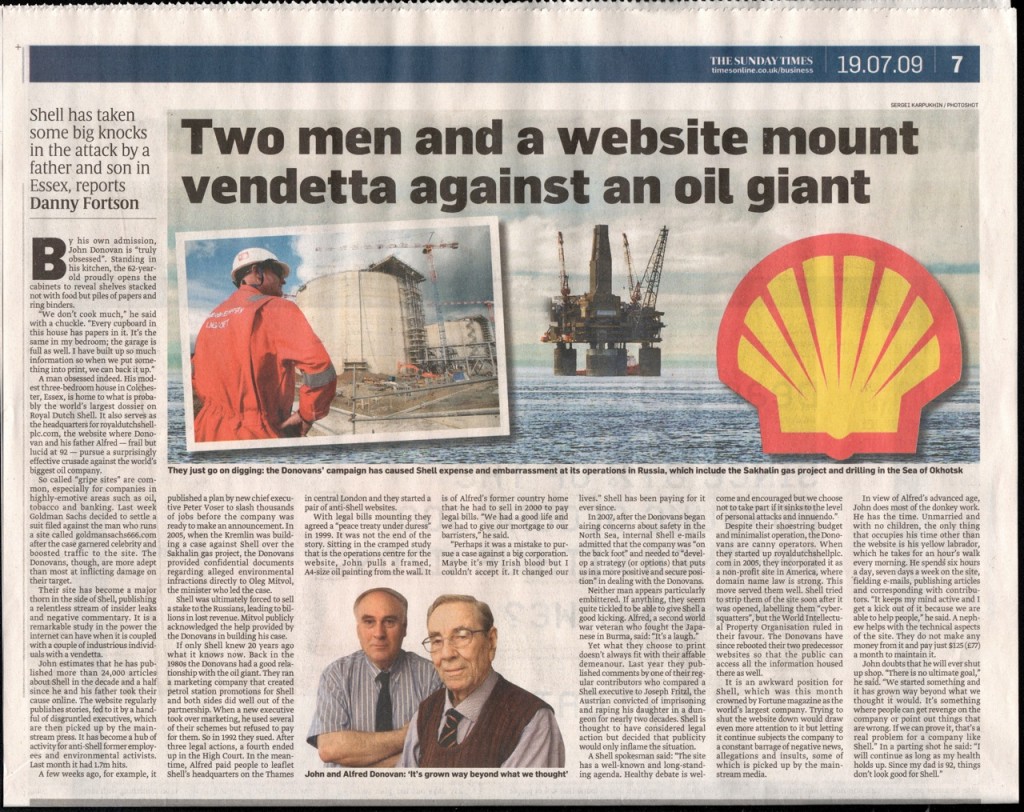
This website and sisters royaldutchshellplc.com, shellnazihistory.com, royaldutchshell.website, johndonovan.website, and shellnews.net, are owned by John Donovan. There is also a Wikipedia segment.


 Royal Dutch Shell conspired directly with Hitler, financed the Nazi Party, was anti-Semitic and sold out its own Dutch Jewish employees to the Nazis. Shell had a close relationship with the Nazis during and after the reign of Sir Henri Deterding, an ardent Nazi, and the founder and decades long leader of the Royal Dutch Shell Group. His burial ceremony, which had all the trappings of a state funeral, was held at his private estate in Mecklenburg, Germany. The spectacle (photographs below) included a funeral procession led by a horse drawn funeral hearse with senior Nazis officials and senior Royal Dutch Shell directors in attendance, Nazi salutes at the graveside, swastika banners on display and wreaths and personal tributes from Adolf Hitler and Reichsmarschall, Hermann Goring. Deterding was an honored associate and supporter of Hitler and a personal friend of Goring.

 Deterding was the guest of Hitler during a four day summit meeting at Berchtesgaden. Sir Henri and Hitler both had ambitions on Russian oil fields. Only an honored personal guest would be rewarded with a private four day meeting at Hitler’s mountain top retreat.


 IN JULY 2007, MR BILL CAMPBELL (ABOVE, A RETIRED GROUP AUDITOR OF SHELL INTERNATIONAL SENT AN EMAIL TO EVERY UK MP AND MEMBER OF THE HOUSE OF LORDS:


 MORE DETAILS:


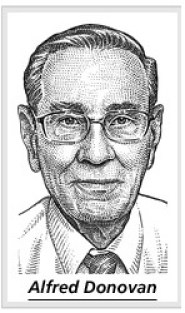 A head-cut image of Alfred Donovan (now deceased) appears courtesy of The Wall Street Journal.