April 9, 2007
Carl Mortished: Analysis
What would you expect to be discussed at a meeting of gas-exporting nations?
It was Adam Smith who commented that people of the same trade seldom meet together but the conversation ends “in a conspiracy against the public, or in some contrivance to raise prices”.
The participants at this year’s meeting of the Gas Exporting Countries Forum have been at pains to insist that the formation of a “gas Opec” is not on the agenda at today’s meeting in Doha. It probably isn’t, but there are many forms of co-operation that fall short of a formal cartel and it is almost certain that leading gas producers, such as Russia, Algeria and Iran, are watching the rapid expansion in the liquefied natural gas market (LNG) with some anxiety.
Slowly but surely, LNG is transforming the global gas industry. The International Energy Agency predicts that LNG will account for almost half of worldwide trade in gas by 2030. The liquidity represented by vast fleets of ships plying the oceans with cargoes of frozen gas capable of being bought and sold en route is a threat to the traditional gas supplier.
The threat is coming from Qatar, which is backing a massive LNG expansion and, so far, shows little interest in the promotion of cartels. A project supported by ExxonMobil and Qatargas will export 14 million tonnes of LNG to the UK, with shipments starting next year. The Qatargas II project would, at full volume, supply almost a fifth of the UK’s current gas demand. ExxonMobil’s venture to supply Britain is only one of a swath of Qatari LNG projects, involving Total, of France, Kogas, of South Korea, ConocoPhillips, Mitsui and Royal Dutch Shell.
Meanwhile, first-generation long-term LNG supply contracts are coming up for renewal and the key questions are how the new contracts will be framed and will they include destination clauses that prohibit trading. Qatar seems to have set out its stall early, supporting the creation of a spot trade in the frozen fuel. Other exporters, notably Russia, have been highly critical of short-term gas markets, arguing that they are a bar to long-term investment in infrastructure.
http://business.timesonline.co.uk/tol/business/industry_sectors/natural_resources/article1629370.ece
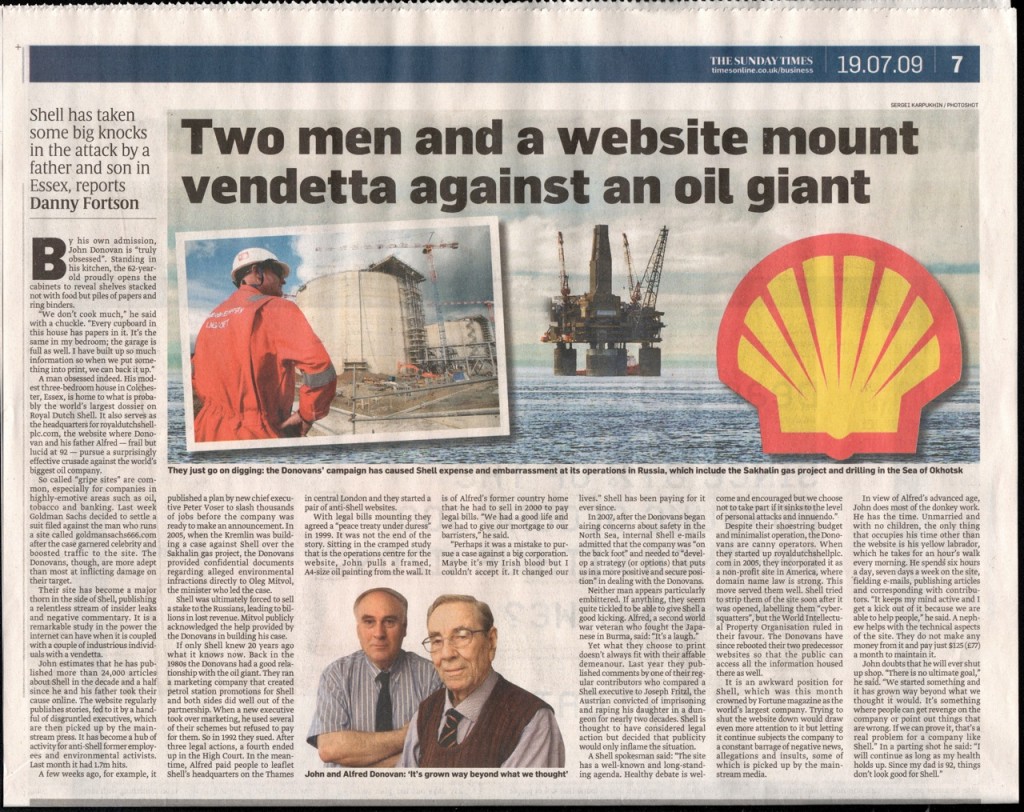
This website and sisters royaldutchshellplc.com, shellnazihistory.com, royaldutchshell.website, johndonovan.website, and shellnews.net, are owned by John Donovan. There is also a Wikipedia segment.


 Royal Dutch Shell conspired directly with Hitler, financed the Nazi Party, was anti-Semitic and sold out its own Dutch Jewish employees to the Nazis. Shell had a close relationship with the Nazis during and after the reign of Sir Henri Deterding, an ardent Nazi, and the founder and decades long leader of the Royal Dutch Shell Group. His burial ceremony, which had all the trappings of a state funeral, was held at his private estate in Mecklenburg, Germany. The spectacle (photographs below) included a funeral procession led by a horse drawn funeral hearse with senior Nazis officials and senior Royal Dutch Shell directors in attendance, Nazi salutes at the graveside, swastika banners on display and wreaths and personal tributes from Adolf Hitler and Reichsmarschall, Hermann Goring. Deterding was an honored associate and supporter of Hitler and a personal friend of Goring.

 Deterding was the guest of Hitler during a four day summit meeting at Berchtesgaden. Sir Henri and Hitler both had ambitions on Russian oil fields. Only an honored personal guest would be rewarded with a private four day meeting at Hitler’s mountain top retreat.


 IN JULY 2007, MR BILL CAMPBELL (ABOVE, A RETIRED GROUP AUDITOR OF SHELL INTERNATIONAL SENT AN EMAIL TO EVERY UK MP AND MEMBER OF THE HOUSE OF LORDS:


 MORE DETAILS:


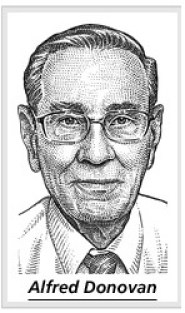 A head-cut image of Alfred Donovan (now deceased) appears courtesy of The Wall Street Journal.