BLACK GOLD: Oil companies will have a major surplus of cash according to a new report
Sam Fleming,
23 August 2006
GLOBAL oil majors are set to generate an extraordinary £53bn of surplus cash in the next three years, Citigroup has claimed – some 11% more than between 2003 and 2005.
Yet this apparently favourable scenario masks a gathering crisis for many of the biggest oil players, as they find it ever harder to find new opportunities to put their profits to work and drive up value for shareholders.
Companies such as BP, Royal Dutch Shell and Exxon are reporting record earnings, and despite ratcheting up dividends and share buybacks, they will still generate far more cash than they can easily put to work, the bank’s analysis shows.
BP will be left with £1.4bn of surplus cash after distributing £21bn through dividends and share buybacks, according to Citigroup calculations. Shell has a massive £9.5bn after returning £16.6bn, the bank estimates.
The firms are finding it tougher to find new opportunities, as oilrich countries such as Russia and Saudi Arabia maintain an iron grip on their resources, analyst James Neale said.
‘There has been a real de-rating of these stocks,’ said Neale. ‘Access to resources has become a major issue.’
One outcome could be a far more aggressive approach to acquisitions, said Neale. Yet given the size of companies such as BP and Shell it is difficult to see any opportunities that ‘really change the game’ he said. ‘Shell has been looking for $10bn prospects but they haven’t been able to make a transaction happen yet.’
Alternatively, Western players could distribute even more money to shareholders and sell less valuable assets – a strategy pursued by BP. Around three-quarters of global oil and gas reserves are not available to Western oil majors because governments insist on stateowned players developing them.
At the same time, costs in the industry are rising 15% a year, amid scarce skilled labour and rising raw materials costs. And governments including the UK have taken the opportunity presented by sky-high oil prices to impose tax hikes on the oil majors.
As a consequence, Russian players such as Lukoil and Gazprom are trading at more generous multiples than their western competitors because they have preferential access to local reserves.
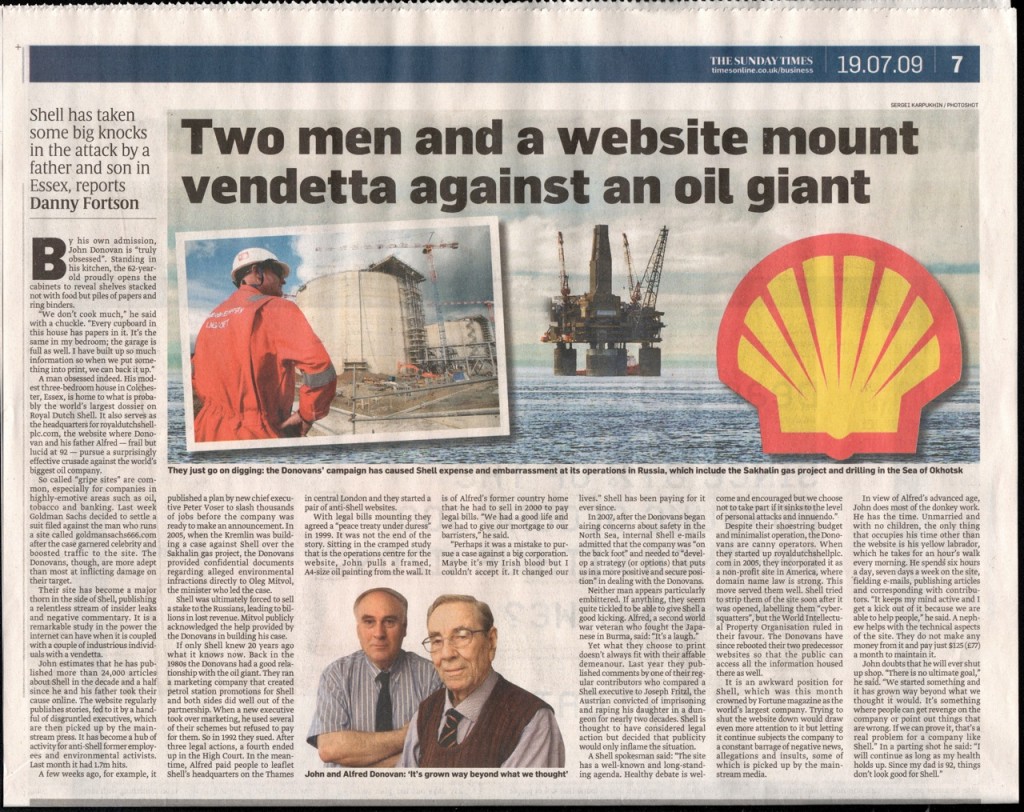
This website and sisters royaldutchshellplc.com, shellnazihistory.com, royaldutchshell.website, johndonovan.website, and shellnews.net, are owned by John Donovan. There is also a Wikipedia segment.


 Royal Dutch Shell conspired directly with Hitler, financed the Nazi Party, was anti-Semitic and sold out its own Dutch Jewish employees to the Nazis. Shell had a close relationship with the Nazis during and after the reign of Sir Henri Deterding, an ardent Nazi, and the founder and decades long leader of the Royal Dutch Shell Group. His burial ceremony, which had all the trappings of a state funeral, was held at his private estate in Mecklenburg, Germany. The spectacle (photographs below) included a funeral procession led by a horse drawn funeral hearse with senior Nazis officials and senior Royal Dutch Shell directors in attendance, Nazi salutes at the graveside, swastika banners on display and wreaths and personal tributes from Adolf Hitler and Reichsmarschall, Hermann Goring. Deterding was an honored associate and supporter of Hitler and a personal friend of Goring.

 Deterding was the guest of Hitler during a four day summit meeting at Berchtesgaden. Sir Henri and Hitler both had ambitions on Russian oil fields. Only an honored personal guest would be rewarded with a private four day meeting at Hitler’s mountain top retreat.


 IN JULY 2007, MR BILL CAMPBELL (ABOVE, A RETIRED GROUP AUDITOR OF SHELL INTERNATIONAL SENT AN EMAIL TO EVERY UK MP AND MEMBER OF THE HOUSE OF LORDS:


 MORE DETAILS:


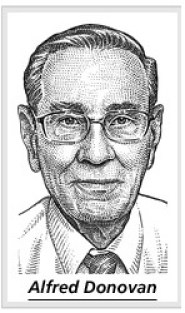 A head-cut image of Alfred Donovan (now deceased) appears courtesy of The Wall Street Journal.