By Richard Orange
06 August 2006
ROYAL Dutch Shell has entered talks with Indian gas giant Gail to sell up to a quarter of its troubled Hazira Liquefied Natural Gas terminal, in Gujarat, western India. The move is designed to break the deadlock between the two companies over Shell’s access to Gail’s pipeline system.
Gail is expected to pay Shell around $150m (E117m, £79m) for the stake in the terminal, which cost Shell $600m to build.
An Indian-based banker said: “The deal will take a few months. Gail will first have to do the due diligence and then make a formal offer.”
The real benefit for Shell will be enhanced access to Gail’s gas network. The Hazira terminal receives far less gas than its 5m tonne per year capacity would allow. Last year, it only received three cargos of liquefied natural gas on a spot basis.
Gail’s 2,800-km Hazira-Vijaipur-Jagdishpur gas pipeline passes just a few kilometres from Shell’s plant. Access would allow Shell to sell gas to customers in the more industrialised Northern India, rather than just in the state of Gujarat, as it does at present.
The banker said: “Hazira’s quite underutilised. Gail has the network Shell needs.”
In another sign that the previously strained relationship between the two companies is improving. Shell and Gail are also considering building a new 700km pipeline – the Dahej-Hazira-Dabhol pipeline. They are also looking at swapping gas supplies, so Shell supplies gas to Gail’s Gujarat clients, and Gail supplies Shell’s northern Indian clients.
The LNG business in India is only now starting to pick up after some years when low prices and low demand disappointed the high hopes LNG developers had had in 2003. Gas shortages in Northern India, where it is needed primarily for power generation and fertiliser factories, have put Gail into a weaker negotiating position with Shell.
Shell is also pushing to win a stake in a giant Indian gas discovery, bidding against BP, BG Group, Italy’s Eni and Chevron.
Gujarat State Petroleum Company (GSPC) announced last year that it had found 20 trillion cubic feet of gas in a well in the Bay of Bengal.
London bankers from UBS, which is managing the sale, were last week in India meeting GSPC officials.
Western oil companies have also been looking to build oil refining and petrol station businesses in India, positioning themselves to benefit from the growing wealth of the country’s vast population. Chevron took a 5% stake in Reliance Petroleum in April.
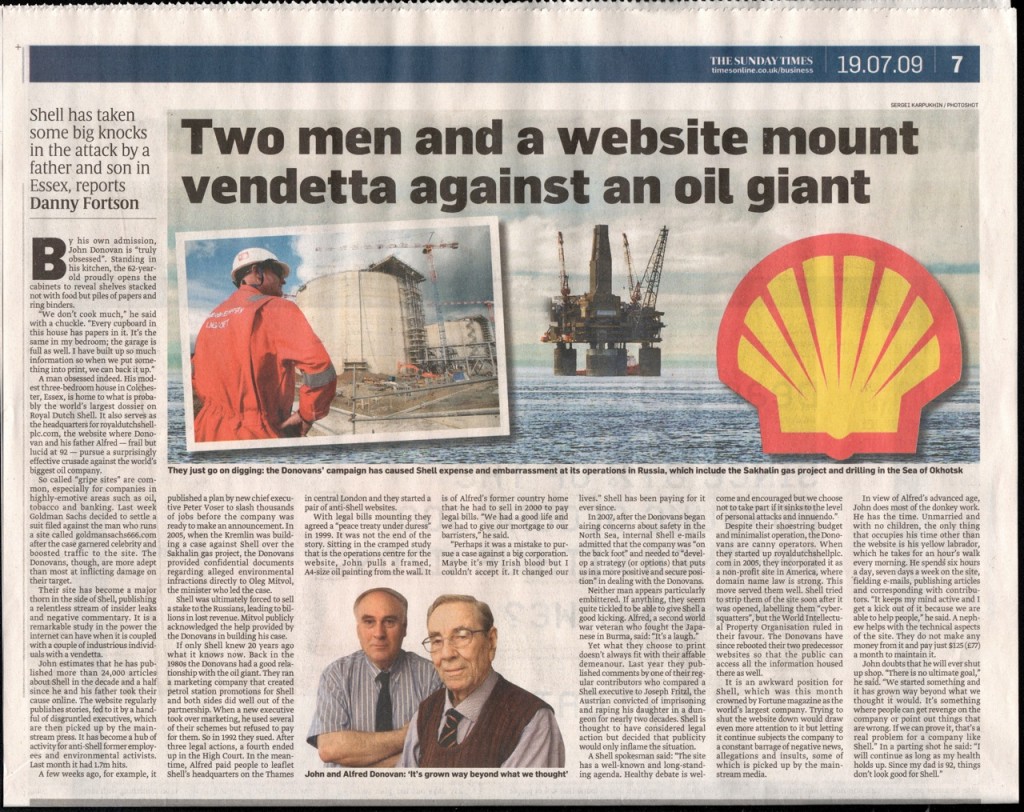
This website and sisters royaldutchshellplc.com, shellnazihistory.com, royaldutchshell.website, johndonovan.website, and shellnews.net, are owned by John Donovan. There is also a Wikipedia segment.


 Royal Dutch Shell conspired directly with Hitler, financed the Nazi Party, was anti-Semitic and sold out its own Dutch Jewish employees to the Nazis. Shell had a close relationship with the Nazis during and after the reign of Sir Henri Deterding, an ardent Nazi, and the founder and decades long leader of the Royal Dutch Shell Group. His burial ceremony, which had all the trappings of a state funeral, was held at his private estate in Mecklenburg, Germany. The spectacle (photographs below) included a funeral procession led by a horse drawn funeral hearse with senior Nazis officials and senior Royal Dutch Shell directors in attendance, Nazi salutes at the graveside, swastika banners on display and wreaths and personal tributes from Adolf Hitler and Reichsmarschall, Hermann Goring. Deterding was an honored associate and supporter of Hitler and a personal friend of Goring.

 Deterding was the guest of Hitler during a four day summit meeting at Berchtesgaden. Sir Henri and Hitler both had ambitions on Russian oil fields. Only an honored personal guest would be rewarded with a private four day meeting at Hitler’s mountain top retreat.


 IN JULY 2007, MR BILL CAMPBELL (ABOVE, A RETIRED GROUP AUDITOR OF SHELL INTERNATIONAL SENT AN EMAIL TO EVERY UK MP AND MEMBER OF THE HOUSE OF LORDS:


 MORE DETAILS:


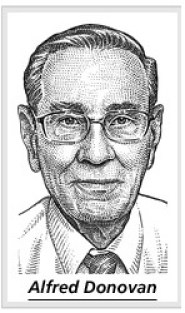 A head-cut image of Alfred Donovan (now deceased) appears courtesy of The Wall Street Journal.