By Kevin Morrisonand Rebecca Bream in London
Published: June 19 2006 03:00 | Last updated: June 19 2006 03:00
Leading oil executives, including BP chief executive Lord Browne, have said there is plenty of oil refining capacity, in spite of market fears to the contrary.
Oil prices remain close to $70 a barrel even though oil inventories in the developed world rose to their highest level in more than 20 years in April, suggesting there is no shortage of oil.
Analysts said the high prices reflected the tightness in the production process of turning crude into finished products such as petrol, diesel and jet fuel.
Francisco Blanch, commodity strategist at Merrill Lynch, said the global refining system was so tight it would impede world demand for oil products next year. “In our view, refineries will not be able to process the incremental crude output coming on stream over the next 18 months.
“This implies that global product growth rates will have to continue to slow down to match available gasoline, diesel and jet fuel supplies,” Mr Blanch said.
Merrill Lynch expects global oil production to rise by 2.6m barrels a day next year, which would lead to further increases in global oil stockpiles.
However, international oilcompanies such as BP, Royal Dutch Shell and ExxonMobil do not see any shortage in global refining capacity. “We have plenty of capacity not just for today but for tomorrow,” Lord Browne, BP chief executive said last week.
Rob Routs, director of downstream products at Royal Dutch Shell, said there was more investment in refining. Mr Routs said between 2006 and 2010, about 11m b/d of refining capacity was due to be built round the world. Much of this growth would take place in Asia, with a 22 per cent jump in refining capacity planned “east of Suez”, compared with 6 per cent growth in the Americas and 2 per cent in Europe and Africa.
Mr Routs said this meant that there was a risk of too much oil refining capacity in some parts of the world, which would depress refining margins. “By 2010, these good refining margins will be once again history.”
ExxonMobil executives have played down the need to expand refining capacity by building new plants, instead preferring to upgrade existing refineries.
Oil inventories in countries of the Organisation of Economic Co-operation and Development are even higher than the very high levels seen in 1998, which triggered an oil price collapse to $10 as demand started to slow.
Copyright The Financial Times Limited 2006
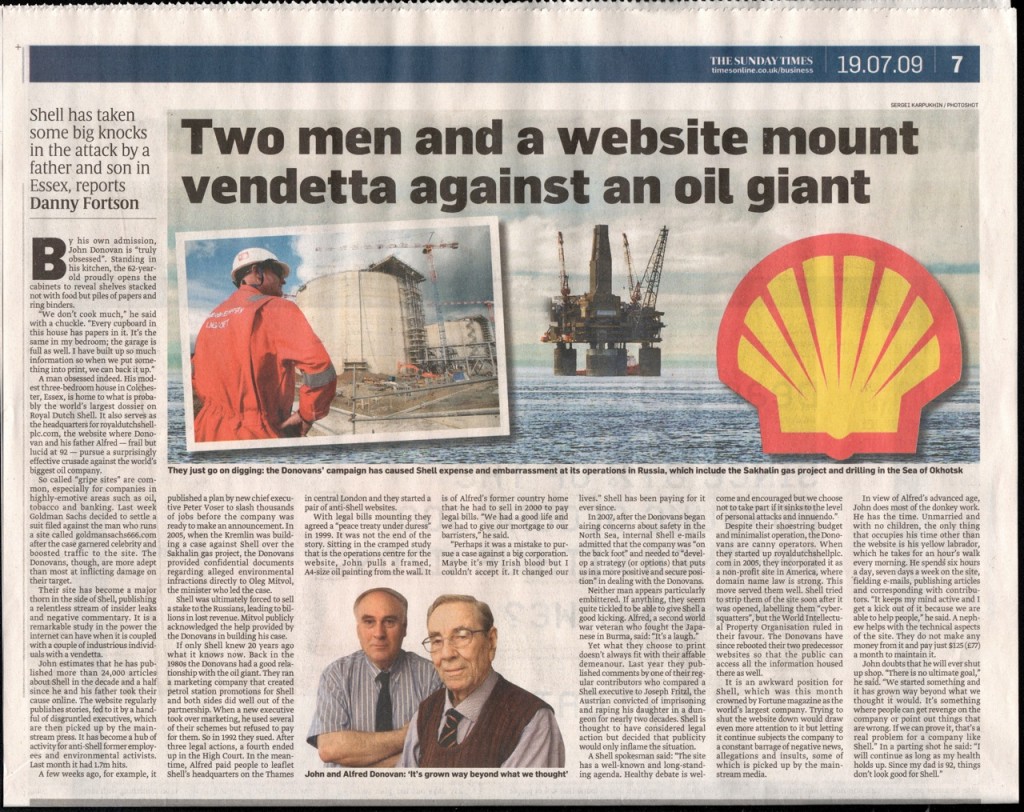
This website and sisters royaldutchshellplc.com, shellnazihistory.com, royaldutchshell.website, johndonovan.website, and shellnews.net, are owned by John Donovan. There is also a Wikipedia segment.


 Royal Dutch Shell conspired directly with Hitler, financed the Nazi Party, was anti-Semitic and sold out its own Dutch Jewish employees to the Nazis. Shell had a close relationship with the Nazis during and after the reign of Sir Henri Deterding, an ardent Nazi, and the founder and decades long leader of the Royal Dutch Shell Group. His burial ceremony, which had all the trappings of a state funeral, was held at his private estate in Mecklenburg, Germany. The spectacle (photographs below) included a funeral procession led by a horse drawn funeral hearse with senior Nazis officials and senior Royal Dutch Shell directors in attendance, Nazi salutes at the graveside, swastika banners on display and wreaths and personal tributes from Adolf Hitler and Reichsmarschall, Hermann Goring. Deterding was an honored associate and supporter of Hitler and a personal friend of Goring.

 Deterding was the guest of Hitler during a four day summit meeting at Berchtesgaden. Sir Henri and Hitler both had ambitions on Russian oil fields. Only an honored personal guest would be rewarded with a private four day meeting at Hitler’s mountain top retreat.


 IN JULY 2007, MR BILL CAMPBELL (ABOVE, A RETIRED GROUP AUDITOR OF SHELL INTERNATIONAL SENT AN EMAIL TO EVERY UK MP AND MEMBER OF THE HOUSE OF LORDS:


 MORE DETAILS:


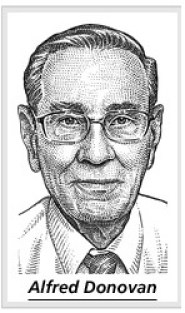 A head-cut image of Alfred Donovan (now deceased) appears courtesy of The Wall Street Journal.