THE WALL STREET JOURNAL: Royal Dutch/Shell Begins to See Advantages of Unified Structure
Edited by Hugo Dixon
August 13, 2004
Shareholder pressure is getting somewhere with Royal Dutch/Shell. Only three months ago the Anglo-Dutch oil titan seemed impervious to calls to reform its cumbersome dual-headed structure. Now it has virtually accepted the argument that it must, at minimum, create a single unified board to run the group. It is also looking seriously at the more radical option of merging the two top companies into a single group. (See related article.)
What’s the advantage in going the whole hog? Well, there are really two. First, simplicity. Second, and most important, greater accountability. One of the reasons Royal Dutch/Shell has been so successful at resisting shareholder pressure for so long is that investors have had to lobby two separate groups in different countries. They have needed two keys to unlock the boardroom door. With a single company, shareholders would only have to concentrate on one pressure point. Royal Dutch/Shell’s parents are Royal Dutch Petroleum Co., of The Hague, and London-based Shell Transport & Trading Co.
This is not to say that merging the two companies has only advantages. The main potential drawback that will worry shareholders is that a merger could result in higher taxes. Then there is the political anxiety in the Netherlands over whether a merger could result in the loss of a national champion. Royal Dutch occupies a position in the Dutch corporate firmament unlike any other. And there are obvious concerns that, following a merger, the balance of power could shift to London.
These anxieties may be real. But they are also probably surmountable. There are, after all, many ways to set a merger. The Dutch firm could buy the British, the British could buy the Dutch or a totally new firm could acquire both — to name just three. Then there is the choice of domicile. Some permutation may well be able to solve both the tax problem and allay Dutch nationalistic sensitivities.
The key question then for Royal Dutch/Shell as it enters the final stage of its corporate governance review should not be: “Why should we merge?” Rather it should be: “Why shouldn’t we merge?”
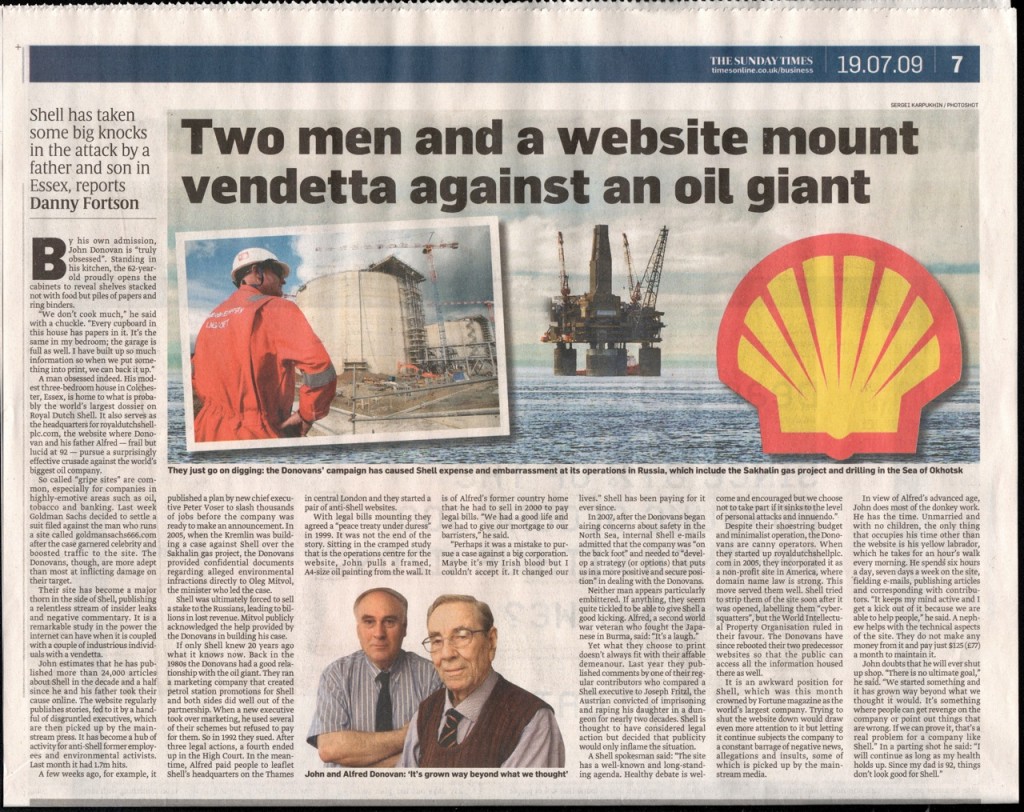
This website and sisters royaldutchshellplc.com, shellnazihistory.com, royaldutchshell.website, johndonovan.website, and shellnews.net, are owned by John Donovan. There is also a Wikipedia segment.


 Royal Dutch Shell conspired directly with Hitler, financed the Nazi Party, was anti-Semitic and sold out its own Dutch Jewish employees to the Nazis. Shell had a close relationship with the Nazis during and after the reign of Sir Henri Deterding, an ardent Nazi, and the founder and decades long leader of the Royal Dutch Shell Group. His burial ceremony, which had all the trappings of a state funeral, was held at his private estate in Mecklenburg, Germany. The spectacle (photographs below) included a funeral procession led by a horse drawn funeral hearse with senior Nazis officials and senior Royal Dutch Shell directors in attendance, Nazi salutes at the graveside, swastika banners on display and wreaths and personal tributes from Adolf Hitler and Reichsmarschall, Hermann Goring. Deterding was an honored associate and supporter of Hitler and a personal friend of Goring.

 Deterding was the guest of Hitler during a four day summit meeting at Berchtesgaden. Sir Henri and Hitler both had ambitions on Russian oil fields. Only an honored personal guest would be rewarded with a private four day meeting at Hitler’s mountain top retreat.


 IN JULY 2007, MR BILL CAMPBELL (ABOVE, A RETIRED GROUP AUDITOR OF SHELL INTERNATIONAL SENT AN EMAIL TO EVERY UK MP AND MEMBER OF THE HOUSE OF LORDS:


 MORE DETAILS:


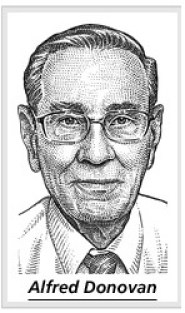 A head-cut image of Alfred Donovan (now deceased) appears courtesy of The Wall Street Journal.