FROM OUR AUGUST 2004 SHELL NEWS ARCHIVE…
iol.co.za: Peru tribes fear gas may bring extinction
 Environmentalists say Shell’s contact in the 1980s wiped out half of the Yora tribe, pushing it toward extinction. Companies risk wiping out tribes with little or no contact with the outside world because pipeline workers expose them to diseases to which they have no immunity…

By Eduardo Orozco
Posted 10 August 2004
Malvinas, Peru – When Peru Camisea natural gas reserves arrive in Lima on Friday the economic boon they promise will come at a high price, the fear of extinction among the remote jungle tribes along the pipeline corridor.
Two decades after they were discovered, the Camisea reserves are expected to bring in about $8-billion in royalties for the government over a 40-year lifetime, generate billions of dollars in gas exports and slash Peru’s $700-million a year dependence on hydrocarbon imports.
But jungle tribes along the 700km gas pipeline to Peru’s coast say their communities are being destroyed by deforestation and river pollution.
‘My people cannot fish or hunt because the animals that fed us have fled’
US environmental group Amazon Watch says thousands of indigenous people in Peru’s southern jungle face malnutrition and hunger because their hunting grounds have been destroyed by the gas pipeline construction.
“Companies don’t want to compensate us for the impact of Camisea because they say we don’t live near the gas wells. But my people cannot fish or hunt because the animals that fed us have fled,” said Ashaninka community leader Alberto Sinangama near the Malvinas plant that pumps gas to Lima.
Thousands of farmers say they are owed $20-million in compensation because of damage to their fields. But Transportadora de Gas del Peru (TGP), the Argentine-led consortium bringing gas to Lima, has said claims of destruction are “unfounded and incorrect” and will not pay compensation.
Ever since Royal Dutch/Shell and Exxon Mobil discovered Camisea in the early 1980s, conservationists have warned developers to tread very carefully in one of the planet’s most biodiverse rain forests.
Companies risk wiping out tribes with little or no contact with the outside world because pipeline workers expose them to diseases to which they have no immunity, they said.
According to government reports released by Amazon Watch in March, 22 indigenous people died between May 2002 and May 2003 after exposure to respiratory illnesses from gas workers and 30 percent of the 500-strong Nanti tribe has died since 1995.
Environmentalists say Shell’s contact in the 1980s wiped out half of the Yora tribe, pushing it toward extinction.
Camisea will also encroach on the Nahua Kugapakori State Reserve, created by the government in 1990 to protect indigenous populations, they say. If Camisea gas is exported to North America as planned, critics say two wells will be drilled deep in the reserve. The government declined to comment.
“If this is the Camisea effect now, what will it be like in 40 years’ time when the project is over?” asked Sinangama, his face painted red and wearing a traditional feather crown.
Amazon Watch and other US-based groups are lobbying the Inter-American Development Bank to halt the release of a $75-million loan for Camisea that would also pave the way for up to $60-million in a syndicated loan from other financiers.
They say Camisea companies have failed to comply with environmental conditions attached to the IADB loan. The bank was not immediately available for comment.
Meanwhile, indigenous leaders say they will continue to press for compensation and the government has promised close monitoring of the environment. But tribes are pessimistic.
“For Peru, we are just a strange people,” said indigenous leader Zaida Saavedra. “But mister President (Alejandro) Toledo, we don’t want to disappear.”
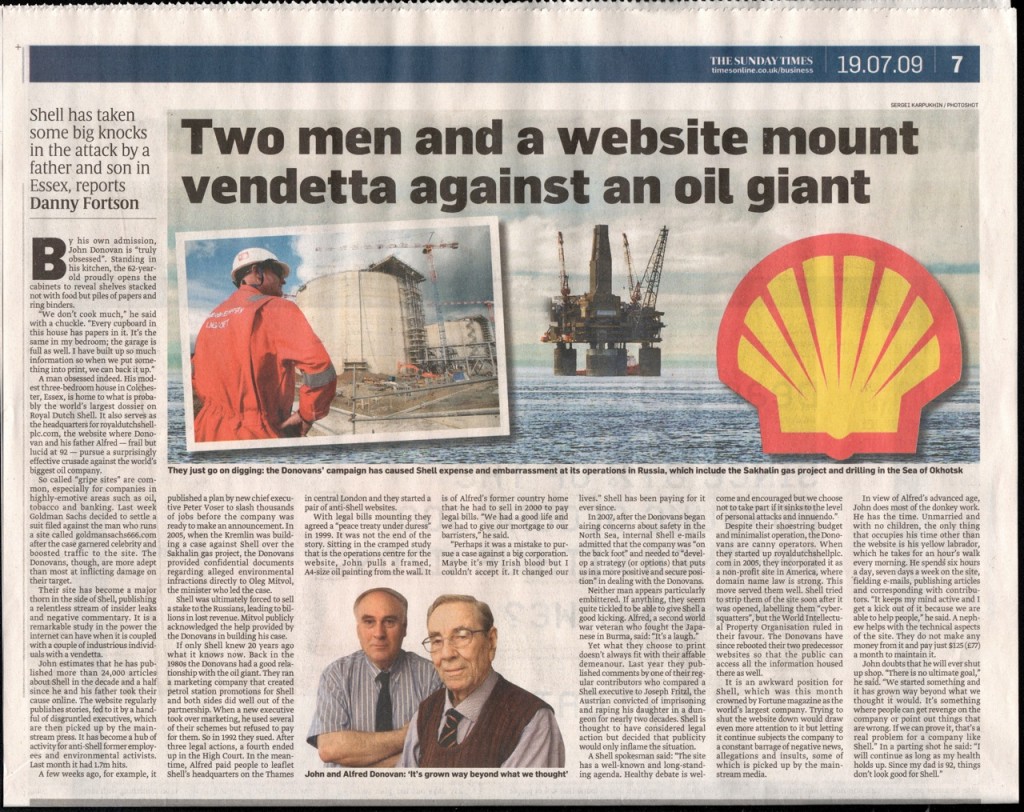
This website and sisters royaldutchshellplc.com, shellnazihistory.com, royaldutchshell.website, johndonovan.website, and shellnews.net, are owned by John Donovan. There is also a Wikipedia segment.


 Royal Dutch Shell conspired directly with Hitler, financed the Nazi Party, was anti-Semitic and sold out its own Dutch Jewish employees to the Nazis. Shell had a close relationship with the Nazis during and after the reign of Sir Henri Deterding, an ardent Nazi, and the founder and decades long leader of the Royal Dutch Shell Group. His burial ceremony, which had all the trappings of a state funeral, was held at his private estate in Mecklenburg, Germany. The spectacle (photographs below) included a funeral procession led by a horse drawn funeral hearse with senior Nazis officials and senior Royal Dutch Shell directors in attendance, Nazi salutes at the graveside, swastika banners on display and wreaths and personal tributes from Adolf Hitler and Reichsmarschall, Hermann Goring. Deterding was an honored associate and supporter of Hitler and a personal friend of Goring.

 Deterding was the guest of Hitler during a four day summit meeting at Berchtesgaden. Sir Henri and Hitler both had ambitions on Russian oil fields. Only an honored personal guest would be rewarded with a private four day meeting at Hitler’s mountain top retreat.


 IN JULY 2007, MR BILL CAMPBELL (ABOVE, A RETIRED GROUP AUDITOR OF SHELL INTERNATIONAL SENT AN EMAIL TO EVERY UK MP AND MEMBER OF THE HOUSE OF LORDS:


 MORE DETAILS:


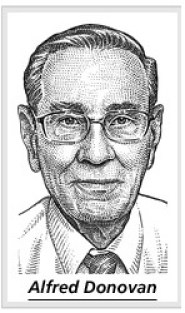 A head-cut image of Alfred Donovan (now deceased) appears courtesy of The Wall Street Journal.