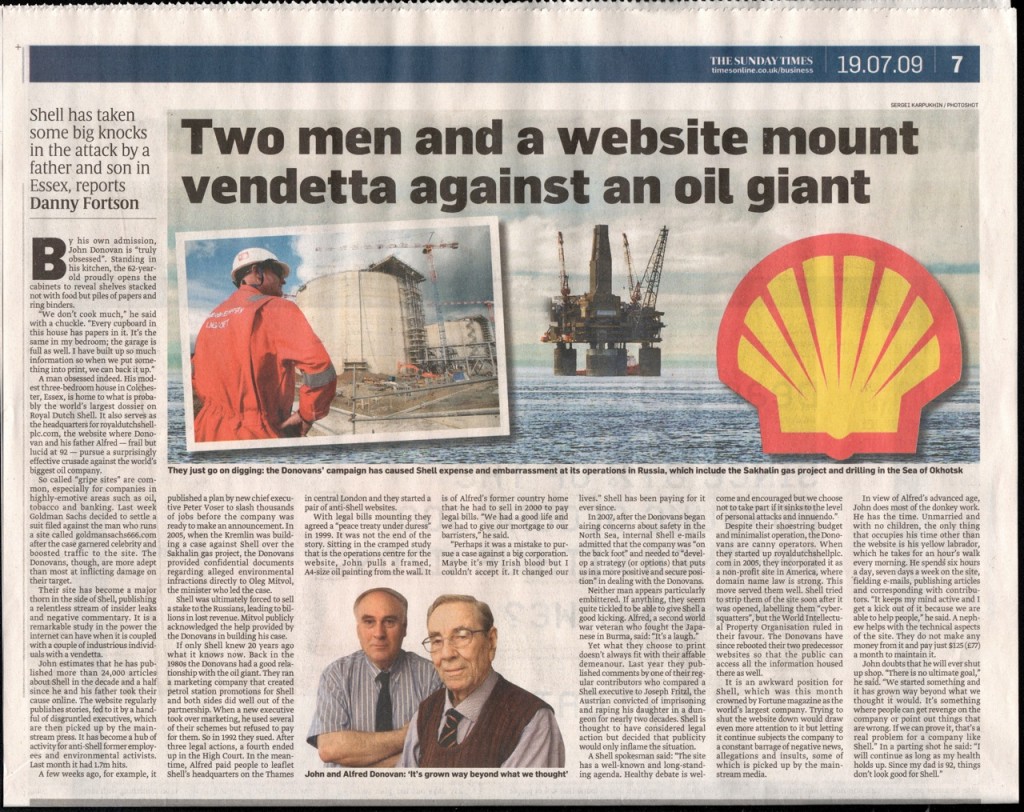
The US regulator has been reviewing the regulations on the way reserves are calculated since 2004, when Shell fell foul of its rules and was forced to "lose" a quarter of its assets. The move led to fines, a plunging share price and the exit of its chairman, Sir Philip Watts. In June the SEC issued new proposals that would allow previously excluded resources such as oil sands to be "classified" as oil and gas reserves. They would also allow companies to disclose their "probable" and "possible" reserves as well as "proved" reserves, as at present.
SEC
Investors press for disclosure of tar sands’ climate risk
This website and sisters royaldutchshellplc.com, shellnazihistory.com, royaldutchshell.website,
johndonovan.website, and shellnews.net,
are owned by John Donovan. There is also a Wikipedia segment.
New reporting rules will boost oilpatch’s reserves: may lead to takeovers
The world's second-largest non-government-controlled oil company by market value, Royal Dutch Shell, is likely to benefit most among the oil majors, analysts said. The company invested heavily in squeezing crude from bitumen-soaked soil in Alberta, and in extracting gas locked in coal beds in Australia and China, as it sought to rebuild its asset base after a reserves overbooking scandal in 2004.
SEC’s New Plan Could Revamp Oil and Gas Reporting Rules
Analysts expect that Royal Dutch Shell (RDS.A) is likely to benefit the most among the oil majors, given that they are investing capital to retrieve crude from bitumen-soaked soil in Canada, as well as extract natural gas in coal beds in Australia and China, both of which can now be included as reported proven reserves.
Diluting SEC security rules a last-ditch push by appointees of President Bush
The regulatory changes are on the agenda of Christopher Cox, chairman of the Securities and Exchange Commission. But critics say the changes appear to be a last-ditch push by appointees of President Bush to dilute securities rules passed after the collapse of Enron and other large companies measures that were meant to forestall accounting gimmicks and corrupt practices that led to those corporate failures.
SEC considers shake-up of reporting rules
Reserves reporting, used as a key measure by investors for assessing a companys long-term financial prospects, has been hugely sensitive in the past. The 2004 revelation of misreporting of reserves by the Royal Dutch Shell group triggered official investigations and lawsuits. It cost executives their jobs and prompted a shake-up of the companys management structure.
Is it right or fair the describe the Shell reserves scandal as a “Fraud”
Christopher Cox, the Chairman of the SEC is on record as describing the scandal as a fraud when he listed European frauds.


 Royal Dutch Shell conspired directly with Hitler, financed the Nazi Party, was anti-Semitic and sold out its own Dutch Jewish employees to the Nazis. Shell had a close relationship with the Nazis during and after the reign of Sir Henri Deterding, an ardent Nazi, and the founder and decades long leader of the Royal Dutch Shell Group. His burial ceremony, which had all the trappings of a state funeral, was held at his private estate in Mecklenburg, Germany. The spectacle (photographs below) included a funeral procession led by a horse drawn funeral hearse with senior Nazis officials and senior Royal Dutch Shell directors in attendance, Nazi salutes at the graveside, swastika banners on display and wreaths and personal tributes from Adolf Hitler and Reichsmarschall, Hermann Goring. Deterding was an honored associate and supporter of Hitler and a personal friend of Goring.

 Deterding was the guest of Hitler during a four day summit meeting at Berchtesgaden. Sir Henri and Hitler both had ambitions on Russian oil fields. Only an honored personal guest would be rewarded with a private four day meeting at Hitler’s mountain top retreat.


 IN JULY 2007, MR BILL CAMPBELL (ABOVE, A RETIRED GROUP AUDITOR OF SHELL INTERNATIONAL SENT AN EMAIL TO EVERY UK MP AND MEMBER OF THE HOUSE OF LORDS:


 MORE DETAILS:


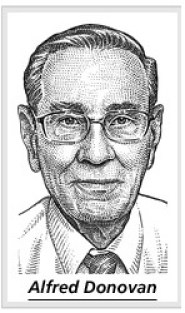 A head-cut image of Alfred Donovan (now deceased) appears courtesy of The Wall Street Journal.