
YENAGOA, NIGERIA: Wed May 11, 2016
(Reuters) – Nigeria’s oil production is set to fall to its lowest in more than two decades after Royal Dutch Shell’s local operation said it had shut a major pipeline.
Nigeria’s oil output fell close to a 22-year low this month due to attacks on oil pipelines in the southern Niger Delta, home to much of the country’s oil and gas wealth, compounding the impact of low oil prices on Africa’s largest economy.
On Wednesday, Shell Petroleum Development Co (SPDC) said it declared force majeure on Bonny Light crude exports on Tuesday after closing the Nembe Creek Trunk line (NCTL) for repairs after a leak. NCTL carries all the country’s Bonny Light.
A Shell spokesman blamed technical issues, without giving further details. However, a community leader in the Delta said an explosion had shut down the pipeline.
The outage pushed oil futures higher, with benchmark Brent crude trading up 5 cents at $45.57 per barrel by 1321 GMT, after being slightly lower before the announcement.
Nigeria was due to export around 217,000 barrels per day of Bonny Light crude in June, out of a total of 1.7 million bpd.
If all Bonny Light production is cut, it would bring output to below 1.5 million bpd for the first time since September 1994, according to Energy Information Administration data. Nigeria exports almost all its production.
Nigerian oil production was above 2 million bpd as recently as 2013, the EIA data shows.
Shell and Chevron have evacuated oil workers in the past few days due to a surge in attacks on oil facilities, according to Nigerian labour unions.
Recent violence has raised concern that militants might resume an insurgency that has been quiet for the past several years. A labour union on Tuesday called for the evacuation of oil workers from the region.
Last week, a group known as Niger Delta Avengers attacked a Chevron facility in the Delta after claiming a strike in February against a Shell pipeline, which shut down the 250,000 bpd Forcados export terminal.
(Reporting by Vijaykumar Vedala in Bengaluru, Tife Owolabi and Ulf Laessing in Nigeria, Libby George and Simon Falush in London; Editing by Jason Neely and Susan Thomas)
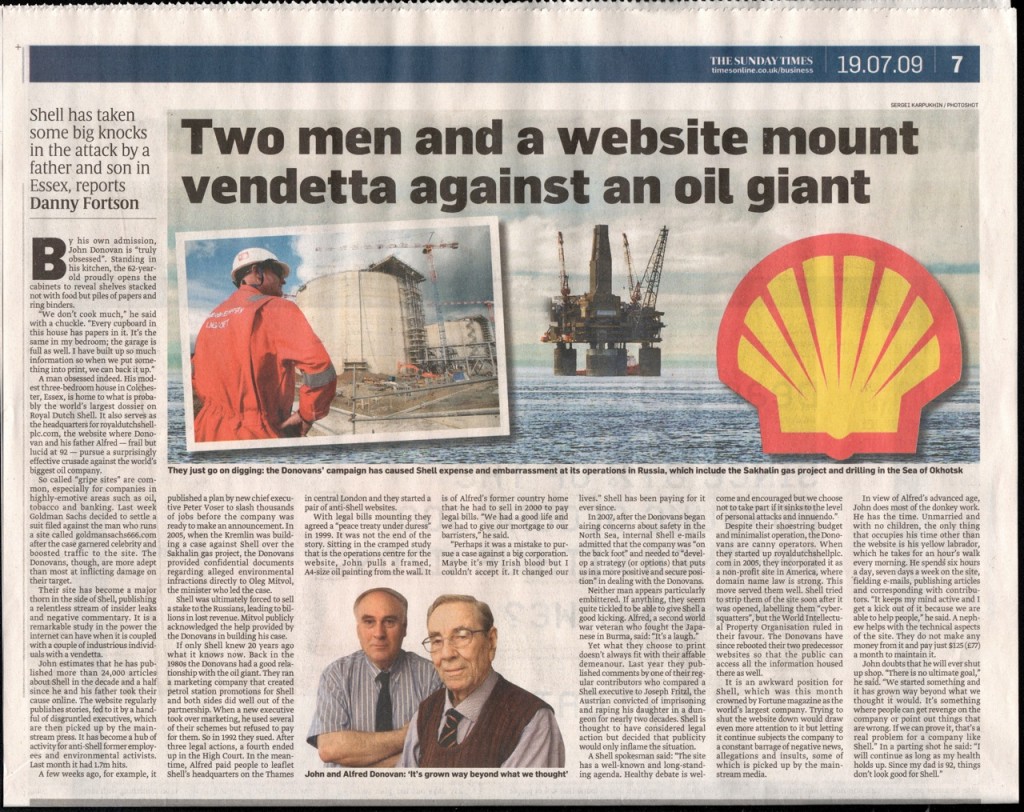
This website and sisters royaldutchshellplc.com, shellnazihistory.com, royaldutchshell.website, johndonovan.website, and shellnews.net, are owned by John Donovan. There is also a Wikipedia segment.


 Royal Dutch Shell conspired directly with Hitler, financed the Nazi Party, was anti-Semitic and sold out its own Dutch Jewish employees to the Nazis. Shell had a close relationship with the Nazis during and after the reign of Sir Henri Deterding, an ardent Nazi, and the founder and decades long leader of the Royal Dutch Shell Group. His burial ceremony, which had all the trappings of a state funeral, was held at his private estate in Mecklenburg, Germany. The spectacle (photographs below) included a funeral procession led by a horse drawn funeral hearse with senior Nazis officials and senior Royal Dutch Shell directors in attendance, Nazi salutes at the graveside, swastika banners on display and wreaths and personal tributes from Adolf Hitler and Reichsmarschall, Hermann Goring. Deterding was an honored associate and supporter of Hitler and a personal friend of Goring.

 Deterding was the guest of Hitler during a four day summit meeting at Berchtesgaden. Sir Henri and Hitler both had ambitions on Russian oil fields. Only an honored personal guest would be rewarded with a private four day meeting at Hitler’s mountain top retreat.


 IN JULY 2007, MR BILL CAMPBELL (ABOVE, A RETIRED GROUP AUDITOR OF SHELL INTERNATIONAL SENT AN EMAIL TO EVERY UK MP AND MEMBER OF THE HOUSE OF LORDS:


 MORE DETAILS:


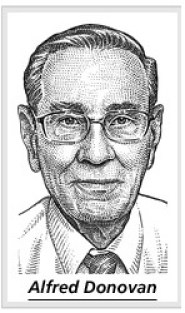 A head-cut image of Alfred Donovan (now deceased) appears courtesy of The Wall Street Journal.