 The FTSE 100 has risen 53% during the last five years, however, Royal Dutch Shell one of the index’s largest constituents, has underperformed by a staggering 27%. And it’s not just Shell’s shares that have been underperforming. Indeed, according to the Financial Times, around one third of Shell’s assets, are not producing a positive return-on-investment. The assets dragging on Shell’s balance sheet include the company’s $8 billion share in the huge Kashagan oilfield, half of the company’s shale oil business within the United States (worth a total of $24 billion) and numerous downstream assets. Time to do some pruning…


By Rupert Hargreaves – Thursday, 16 January, 2014
The FTSE 100 has risen 53% during the last five years, however, Royal Dutch Shell one of the index’s largest constituents, has underperformed by a staggering 27%.
What’s more, compared to its larger peers, Exxon Mobil and Chevron, Shell’s shareholder returns have been less than impressive. In particular, aside from the company’s dividend yield, which is around the same as the industry average, since introducing a script dividend back during 2010 Shell has issued around $4 billion more stock than it has brought back.
It’s not just the company’s shares
And it’s not just Shell’s shares that have been underperforming. Indeed, according to the Financial Times, around one third of Shell’s assets, are not producing a positive return-on-investment. The assets dragging on Shell’s balance sheet include the company’s $8 billion share in the huge Kashagan oilfield, half of the company’s shale oil business within the United States (worth a total of $24 billion) and numerous downstream assets.
However, Shell’s new chief executive, Ben van Beurden is planning on making some changes, which look as if they will change the company for the better. For example, Mr Beurden has drawn up a plan to divest $15 billion worth of assets within the next few years. The idea is that these disposals will allow Shell to shed some inefficient assets, while using the cash raised to fund new projects.
As a matter of fact, the first wave of cuts has already started.
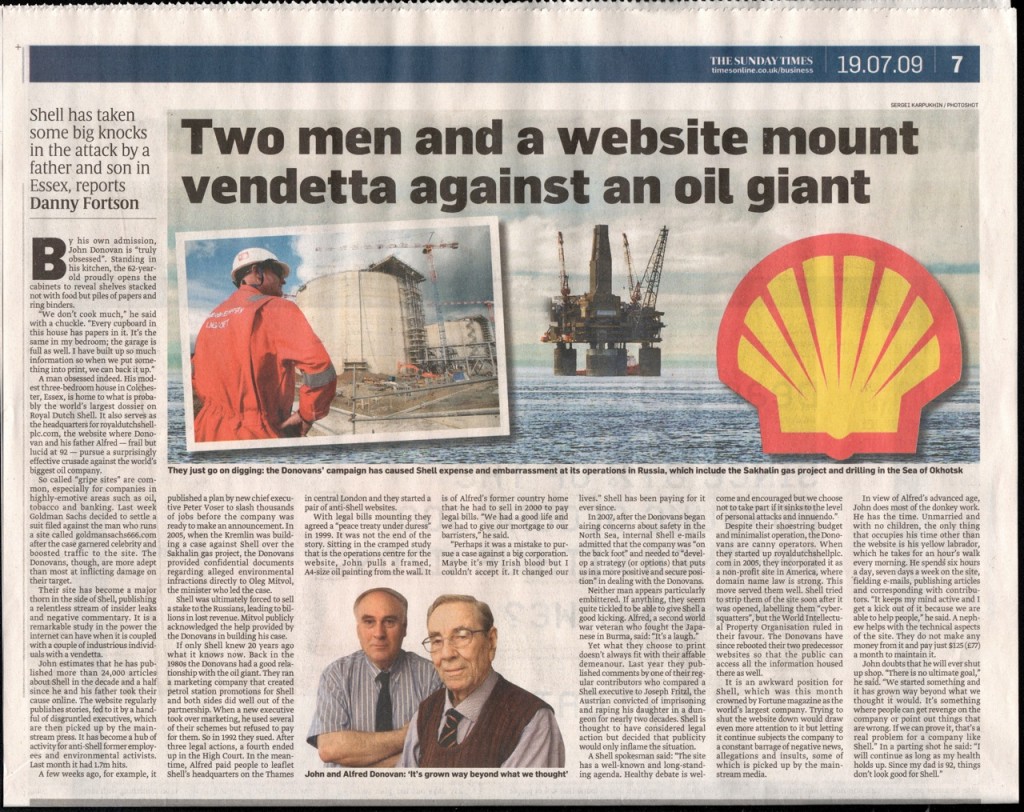
This website and sisters royaldutchshellplc.com, shellnazihistory.com, royaldutchshell.website, johndonovan.website, and shellnews.net, are owned by John Donovan. There is also a Wikipedia segment.


 Royal Dutch Shell conspired directly with Hitler, financed the Nazi Party, was anti-Semitic and sold out its own Dutch Jewish employees to the Nazis. Shell had a close relationship with the Nazis during and after the reign of Sir Henri Deterding, an ardent Nazi, and the founder and decades long leader of the Royal Dutch Shell Group. His burial ceremony, which had all the trappings of a state funeral, was held at his private estate in Mecklenburg, Germany. The spectacle (photographs below) included a funeral procession led by a horse drawn funeral hearse with senior Nazis officials and senior Royal Dutch Shell directors in attendance, Nazi salutes at the graveside, swastika banners on display and wreaths and personal tributes from Adolf Hitler and Reichsmarschall, Hermann Goring. Deterding was an honored associate and supporter of Hitler and a personal friend of Goring.

 Deterding was the guest of Hitler during a four day summit meeting at Berchtesgaden. Sir Henri and Hitler both had ambitions on Russian oil fields. Only an honored personal guest would be rewarded with a private four day meeting at Hitler’s mountain top retreat.


 IN JULY 2007, MR BILL CAMPBELL (ABOVE, A RETIRED GROUP AUDITOR OF SHELL INTERNATIONAL SENT AN EMAIL TO EVERY UK MP AND MEMBER OF THE HOUSE OF LORDS:


 MORE DETAILS:


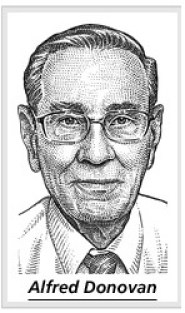 A head-cut image of Alfred Donovan (now deceased) appears courtesy of The Wall Street Journal.