
Aug 13th 2011

BY BOOTING out Royal Dutch Shell in 1993, the 500,000 inhabitants of Nigerias Ogoniland hoped to take the first step towards cleaning up their homeland, a small region within the creeks and swamps of the vast Niger Delta, Africas biggest oil-producing region. Almost 20 years later, a new report from the UN says it could take 30 years and at least $1 billion to rid the poisoned mangroves of a thick, black carpet of crude.
 The report, the most extensive, scientific research carried out in the Niger Delta, found that some families were drinking water contaminated with 900 times as much benzene, a carcinogen, as is deemed safe by the World Health Organisation. It said areas that Shell had said were clean were in fact still polluted. It also exposed serious failures on the part of Shell and Nigerias national oil company NNPC, which it says failed to follow their own best operating practices. Some infrastructure, the report said, was unsafe and could cause further spills. Shell said the report makes a valuable contribution, and that it was reviewing its practices.
Shell pulled out of Ogoniland under pressure from the Movement for the Survival of the Ogoni People (MOSOP), founded by a writer, Ken Saro-Wiwa. Saro-Wiwa, who focused international attention on Ogonilands woes, fell out with Nigerias then-military government and was hanged in 1995 along with eight other dissident tribal leaders. Without admitting guilt, Shell agreed to pay £9.6m in an out-of-court settlement of a legal action that accused the company of collaborating in the executions.
Legal pressures on the company are increasing. The UN report came in the same week the European oil giant admitted liability for the first time under British jurisdiction for two big leaks in the delta. After half a century of working in Nigeria, Shell is pulling back. It is close to selling four productive oil blocks. It also paid out $1.7m in compensation to groups in the delta affected by spills.
After half a century of hostility to Shell and disappointment at broken promises from the government, MOSOP has so far shown little interest in the UN report. But Mr Saro-Wiwas son is more upbeat. The report is a belated vindication of the allegations my father raised 25 years ago, says Mr Saro-Wiwa Junior. I think and hope that an important psychological barrier has been broken.
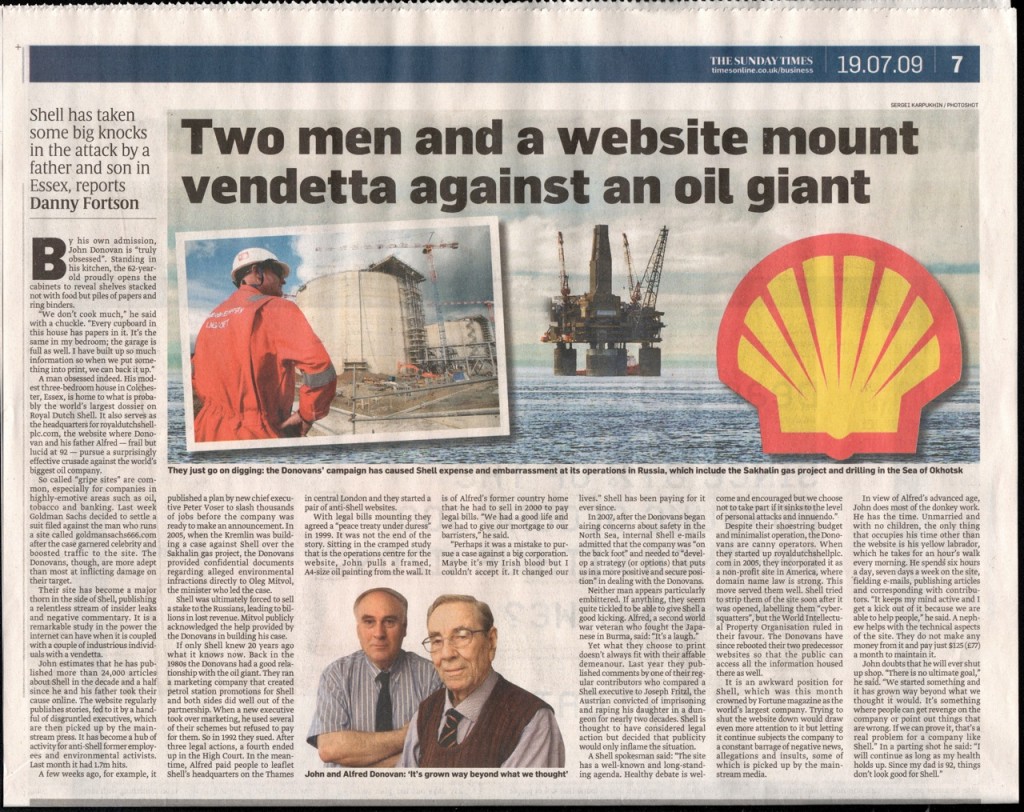
This website and sisters royaldutchshellplc.com, shellnazihistory.com, royaldutchshell.website, johndonovan.website, and shellnews.net, are owned by John Donovan. There is also a Wikipedia segment.


 Royal Dutch Shell conspired directly with Hitler, financed the Nazi Party, was anti-Semitic and sold out its own Dutch Jewish employees to the Nazis. Shell had a close relationship with the Nazis during and after the reign of Sir Henri Deterding, an ardent Nazi, and the founder and decades long leader of the Royal Dutch Shell Group. His burial ceremony, which had all the trappings of a state funeral, was held at his private estate in Mecklenburg, Germany. The spectacle (photographs below) included a funeral procession led by a horse drawn funeral hearse with senior Nazis officials and senior Royal Dutch Shell directors in attendance, Nazi salutes at the graveside, swastika banners on display and wreaths and personal tributes from Adolf Hitler and Reichsmarschall, Hermann Goring. Deterding was an honored associate and supporter of Hitler and a personal friend of Goring.

 Deterding was the guest of Hitler during a four day summit meeting at Berchtesgaden. Sir Henri and Hitler both had ambitions on Russian oil fields. Only an honored personal guest would be rewarded with a private four day meeting at Hitler’s mountain top retreat.


 IN JULY 2007, MR BILL CAMPBELL (ABOVE, A RETIRED GROUP AUDITOR OF SHELL INTERNATIONAL SENT AN EMAIL TO EVERY UK MP AND MEMBER OF THE HOUSE OF LORDS:


 MORE DETAILS:


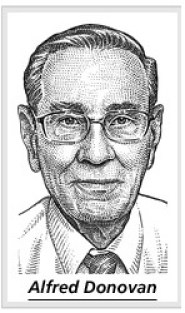 A head-cut image of Alfred Donovan (now deceased) appears courtesy of The Wall Street Journal.