Edited by Iain Dey
(Filed: 10/09/2006)
The FTSE100 stalled last week before it had a chance to breach the 6,000 barrier. Although economic news from Wall Street contributed to the market’s jitters, the psychologically important 6,000 mark was always going to prompt some reflection from investors.
Many strategists argue that the UK market is still cheap, with the FTSE100 as a whole trading on a historically low price to earnings ratio of about 13. But the cheapest UK stocks of all are some of the biggest.
With the market likely to struggle to find upwards momentum in the weeks ahead, now is a good time to look at blue chip stocks with strong dividends. Big companies seem to be the best buys in the market, even those whose reputations are having a rough ride.
Executives at BP were being grilled on Capitol Hill last week amid increasing pressure on the oil giant over its safety record in Alaska.
The recent spate of bad publicity has hit the share price, which has tumbled by more than 5 per cent to 591p since the company announced that it was halting production at its Prudhoe Bay operations on August 6.
BP’s shares were under pressure even before the emergence of the latest problems; despite the booming oil and gas sectors and the doubling of the price of crude oil over the past three years, shares in BP have underperformed the FTSE All Share index over that period.
Last month arch-rival Royal Dutch Shell overtook BP as Britain’s largest company by market value for the first time in several years.
We have long been a buyer of BP’s shares, last advising readers to keep buying in March when they stood at 668.5p.
We stick with that view and believe that the recent drop is a good buying opportunity, especially on valuation grounds. The stock is trading at just 9.5 times prospective earnings, compared with a multiple of nearly 12 for the oil and gas sector.
That, coupled with the potential of a $65bn (£34bn) handout to shareholders over the next three years via dividends and share buybacks and a dividend yield of more than 3 per cent, makes the shares attractive. Keep buying.
http://www.telegraph.co.uk/money/main.jhtml?xml=/money/2006/09/10/cxequity10.xml
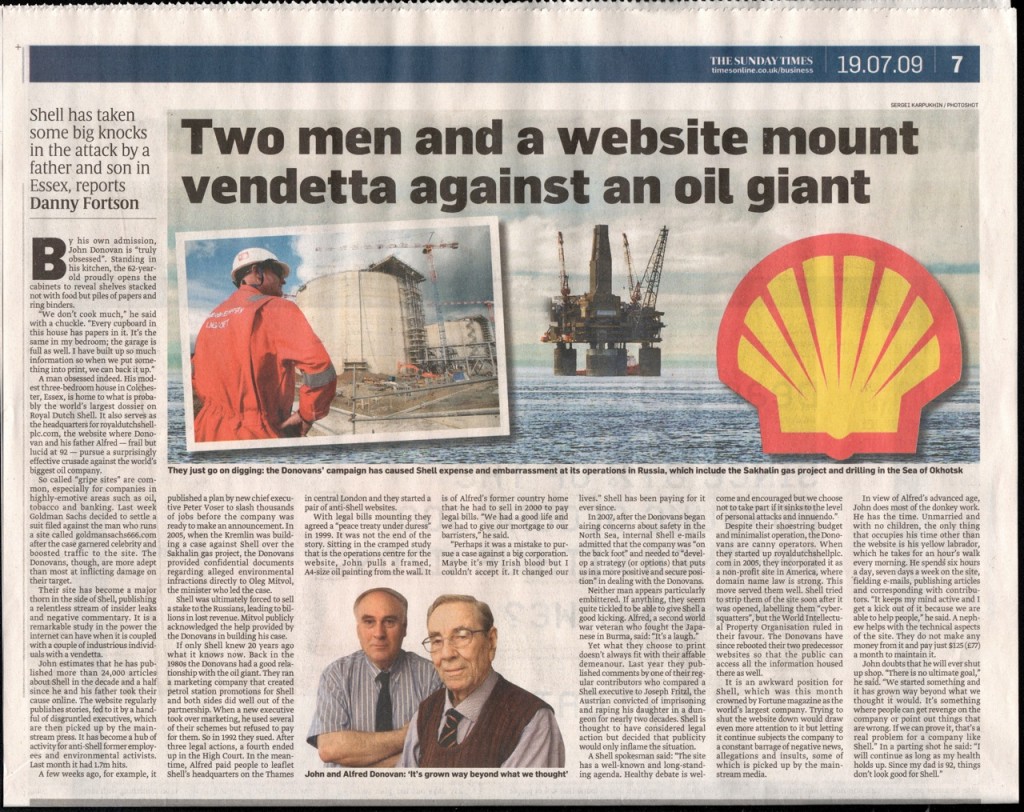
This website and sisters royaldutchshellplc.com, shellnazihistory.com, royaldutchshell.website, johndonovan.website, and shellnews.net, are owned by John Donovan. There is also a Wikipedia segment.


 Royal Dutch Shell conspired directly with Hitler, financed the Nazi Party, was anti-Semitic and sold out its own Dutch Jewish employees to the Nazis. Shell had a close relationship with the Nazis during and after the reign of Sir Henri Deterding, an ardent Nazi, and the founder and decades long leader of the Royal Dutch Shell Group. His burial ceremony, which had all the trappings of a state funeral, was held at his private estate in Mecklenburg, Germany. The spectacle (photographs below) included a funeral procession led by a horse drawn funeral hearse with senior Nazis officials and senior Royal Dutch Shell directors in attendance, Nazi salutes at the graveside, swastika banners on display and wreaths and personal tributes from Adolf Hitler and Reichsmarschall, Hermann Goring. Deterding was an honored associate and supporter of Hitler and a personal friend of Goring.

 Deterding was the guest of Hitler during a four day summit meeting at Berchtesgaden. Sir Henri and Hitler both had ambitions on Russian oil fields. Only an honored personal guest would be rewarded with a private four day meeting at Hitler’s mountain top retreat.


 IN JULY 2007, MR BILL CAMPBELL (ABOVE, A RETIRED GROUP AUDITOR OF SHELL INTERNATIONAL SENT AN EMAIL TO EVERY UK MP AND MEMBER OF THE HOUSE OF LORDS:


 MORE DETAILS:


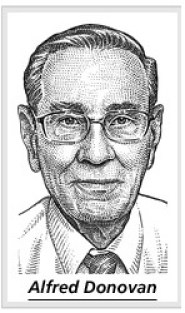 A head-cut image of Alfred Donovan (now deceased) appears courtesy of The Wall Street Journal.