THE WALL STREET JOURNAL ONLINE
July 21, 2006 7:51 p.m.
Oil prices rose on the prospect of Israel escalating its attacks on Lebanon, and were further supported by rising gasoline prices caused by refinery outages. Crude oil for September delivery rose 18 cents to settle at $74.50 a barrel. It dropped $4.28 a barrel on the week, or 5.4%. Here’s Friday’s roundup of energy-related news:
* * *
MASSIVE PROFIT: Five of the world’s largest energy companies are expected to report combined second-quarter profits next week of more than $30 billion, the Associated Press reports. The industry is bracing for a backlash in Washington, where elected officials are concerned about constituents in many parts of the country paying more than $3 a gallon at the pump. Whatever the political fallout, the industry has done right by Wall Street’s standards. The five oil behemoths releasing quarterly results next week — BP, ConocoPhillips, Chevron, ExxonMobil and Royal Dutch Shell — earned an estimated $33.6 billion, 32% more than a year earlier, according to analysts surveyed by Thomson Financial.
•Déjà Vu? MarketWatch’s Myra P. Saefong points out that it may be a good time to pull out the history book and look at some parallel’s to today’s energy market. Conflicts in Israel and Iran helped “drive a 12-fold increase in crude-oil prices between 1972 and 1981.” However, Ms. Saefong writes that the strong demand growth today makes markets even more unstable.
•Rig Roll: The number of rigs exploring for oil and natural gas in the U.S. this week rose by 15 to 1,683. Of the rigs running nationwide, 1,381 were exploring for gas and 299 for oil, Houston-based Baker Hughes Inc. reported Friday. Three were listed as miscellaneous. The tally peaked at 4,530 in 1981, during the height of the oil boom.
•Pricey Premium: The Waterbury (Conn.) Republican American considers premium gas, and how it’s a luxury these days at an average of about $3.60 a gallon. The quandary for many cars owners, premium is what manufacturers recommend.
•Eye on Iran: In the Outside the Box column at MarketWatch, Gary Dorsch claims that unless Iran backs off, the “war premium” for oil will remain.
•Alernatives: With both Wall Street and Washington wanting to hear more about ethanol, analysts are forecasting stronger demand, and better financial results for its producers, the Associated Press reports.
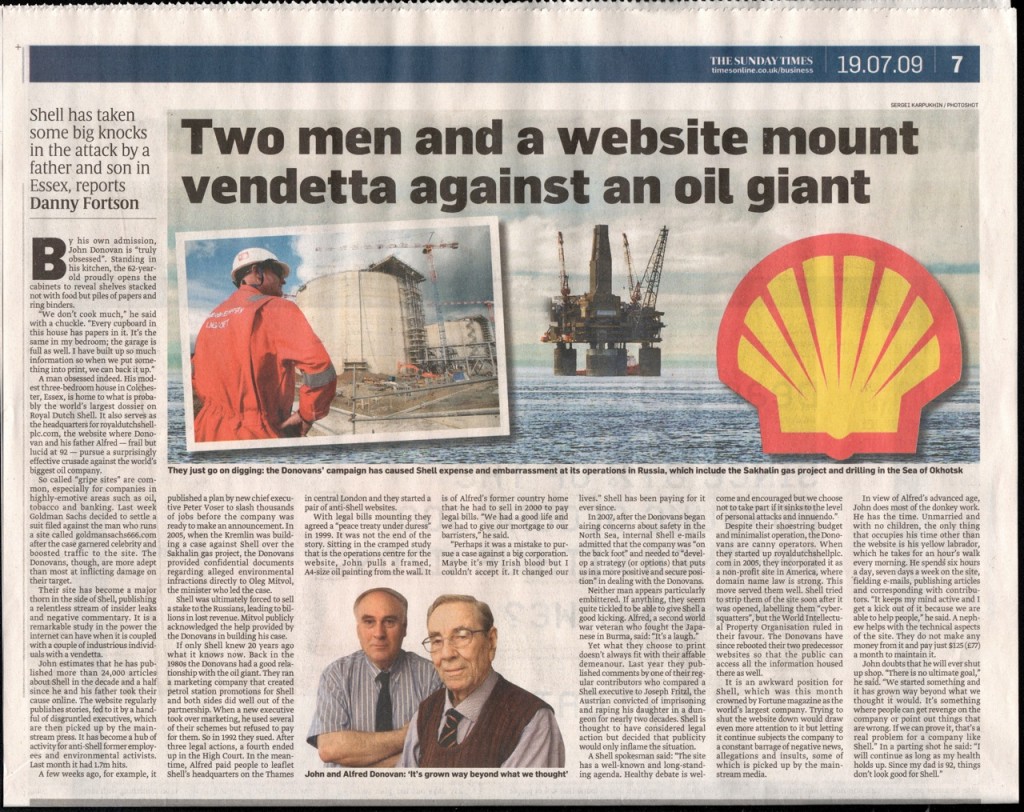
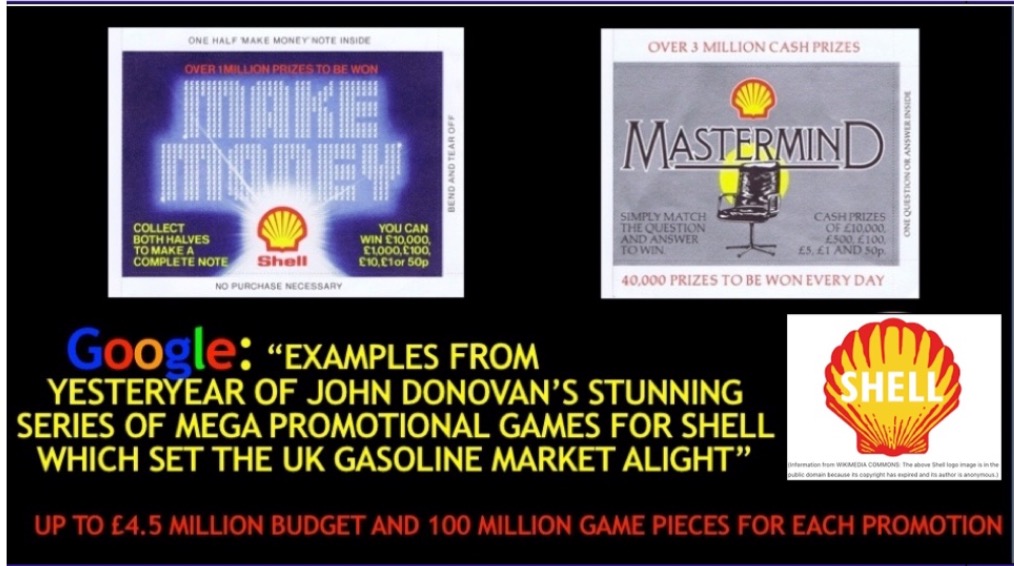
This website and sisters royaldutchshellplc.com, shellnazihistory.com, royaldutchshell.website, johndonovan.website, and shellnews.net, are owned by John Donovan. There is also a Wikipedia segment.


 Royal Dutch Shell conspired directly with Hitler, financed the Nazi Party, was anti-Semitic and sold out its own Dutch Jewish employees to the Nazis. Shell had a close relationship with the Nazis during and after the reign of Sir Henri Deterding, an ardent Nazi, and the founder and decades long leader of the Royal Dutch Shell Group. His burial ceremony, which had all the trappings of a state funeral, was held at his private estate in Mecklenburg, Germany. The spectacle (photographs below) included a funeral procession led by a horse drawn funeral hearse with senior Nazis officials and senior Royal Dutch Shell directors in attendance, Nazi salutes at the graveside, swastika banners on display and wreaths and personal tributes from Adolf Hitler and Reichsmarschall, Hermann Goring. Deterding was an honored associate and supporter of Hitler and a personal friend of Goring.

 Deterding was the guest of Hitler during a four day summit meeting at Berchtesgaden. Sir Henri and Hitler both had ambitions on Russian oil fields. Only an honored personal guest would be rewarded with a private four day meeting at Hitler’s mountain top retreat.


 IN JULY 2007, MR BILL CAMPBELL (ABOVE, A RETIRED GROUP AUDITOR OF SHELL INTERNATIONAL SENT AN EMAIL TO EVERY UK MP AND MEMBER OF THE HOUSE OF LORDS:


 MORE DETAILS:


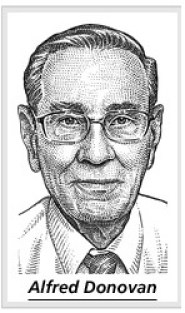 A head-cut image of Alfred Donovan (now deceased) appears courtesy of The Wall Street Journal.